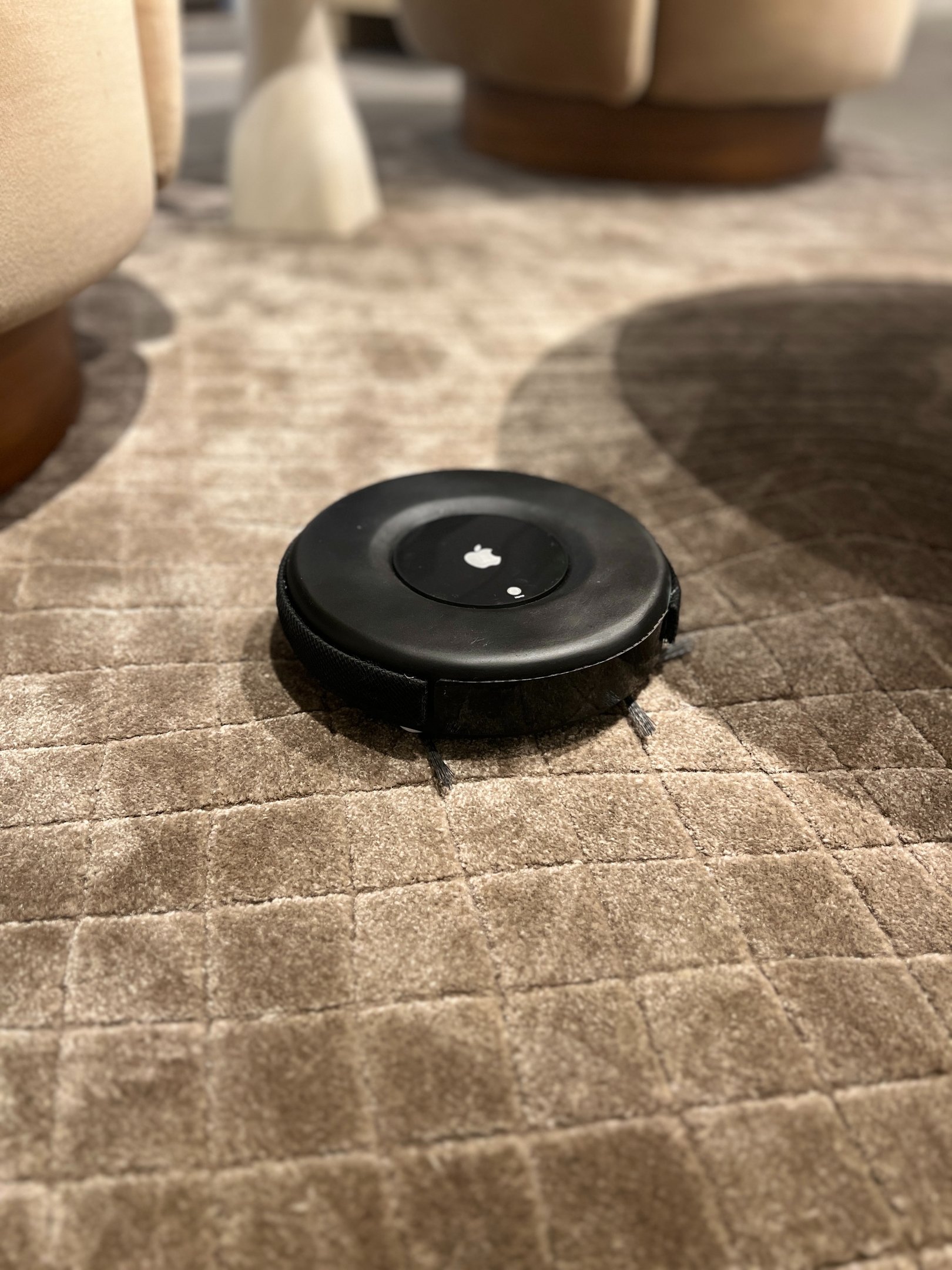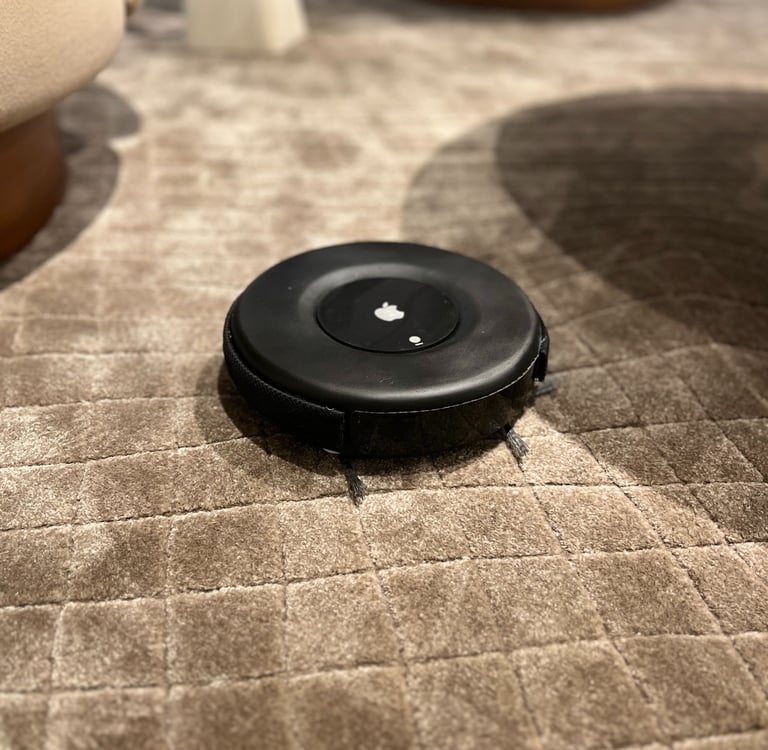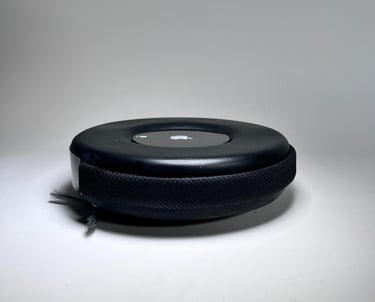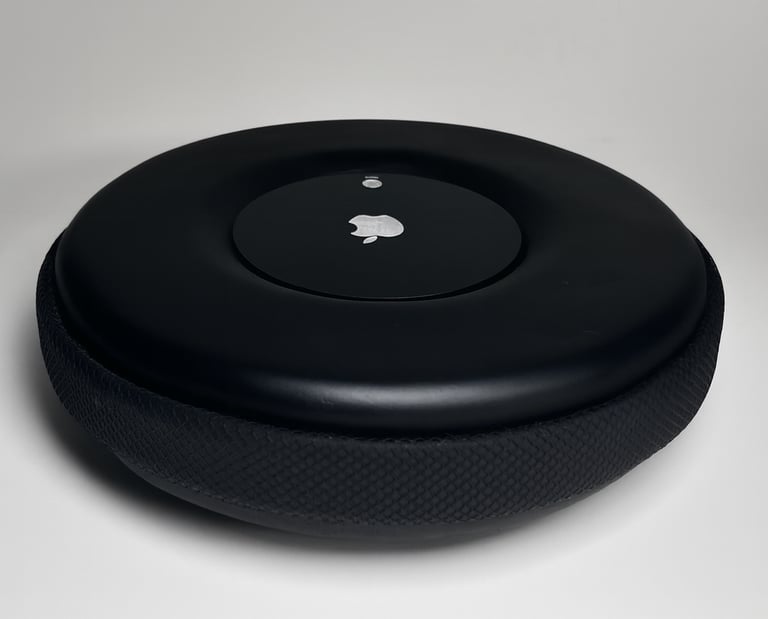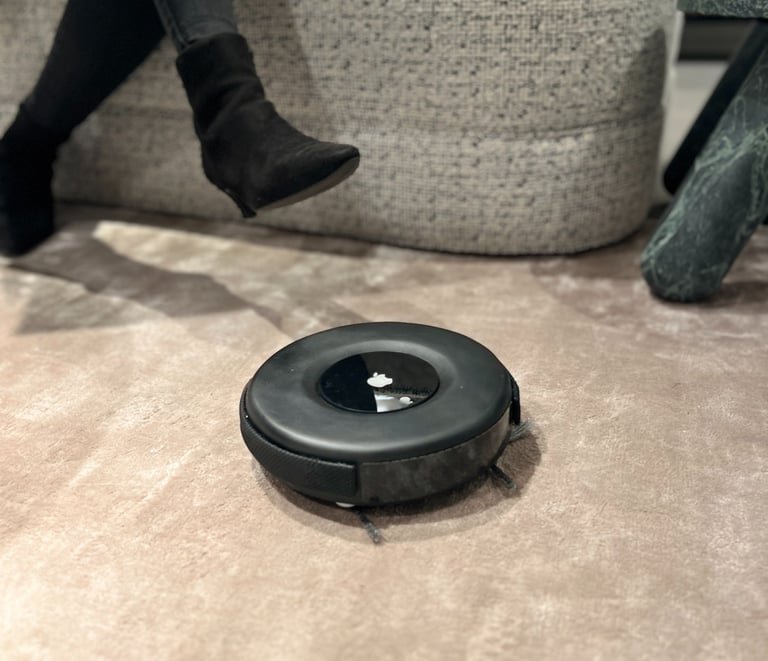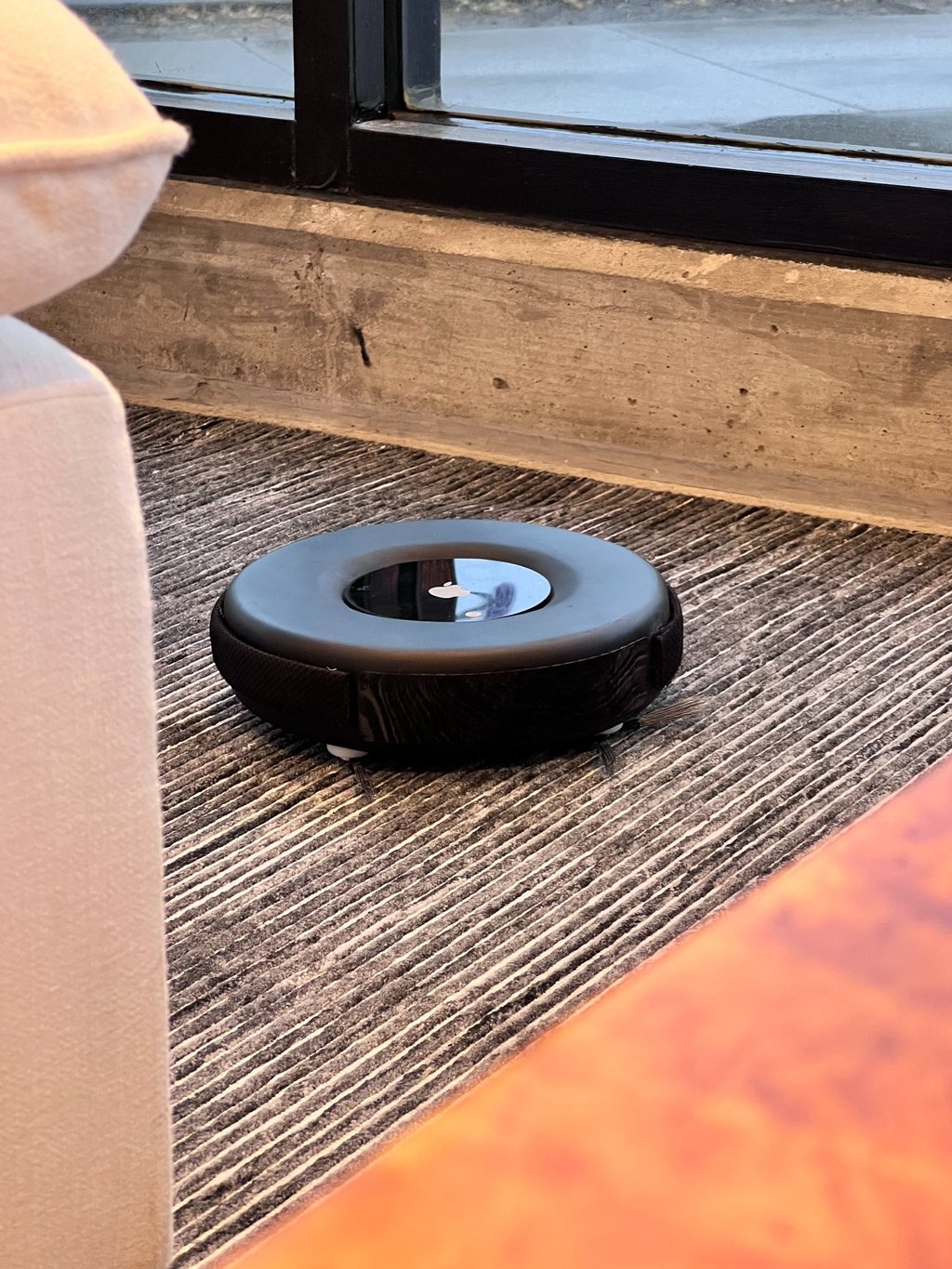
Apple Assist Pro

Smarter Cleaning. Safer Living. Stunning Sound
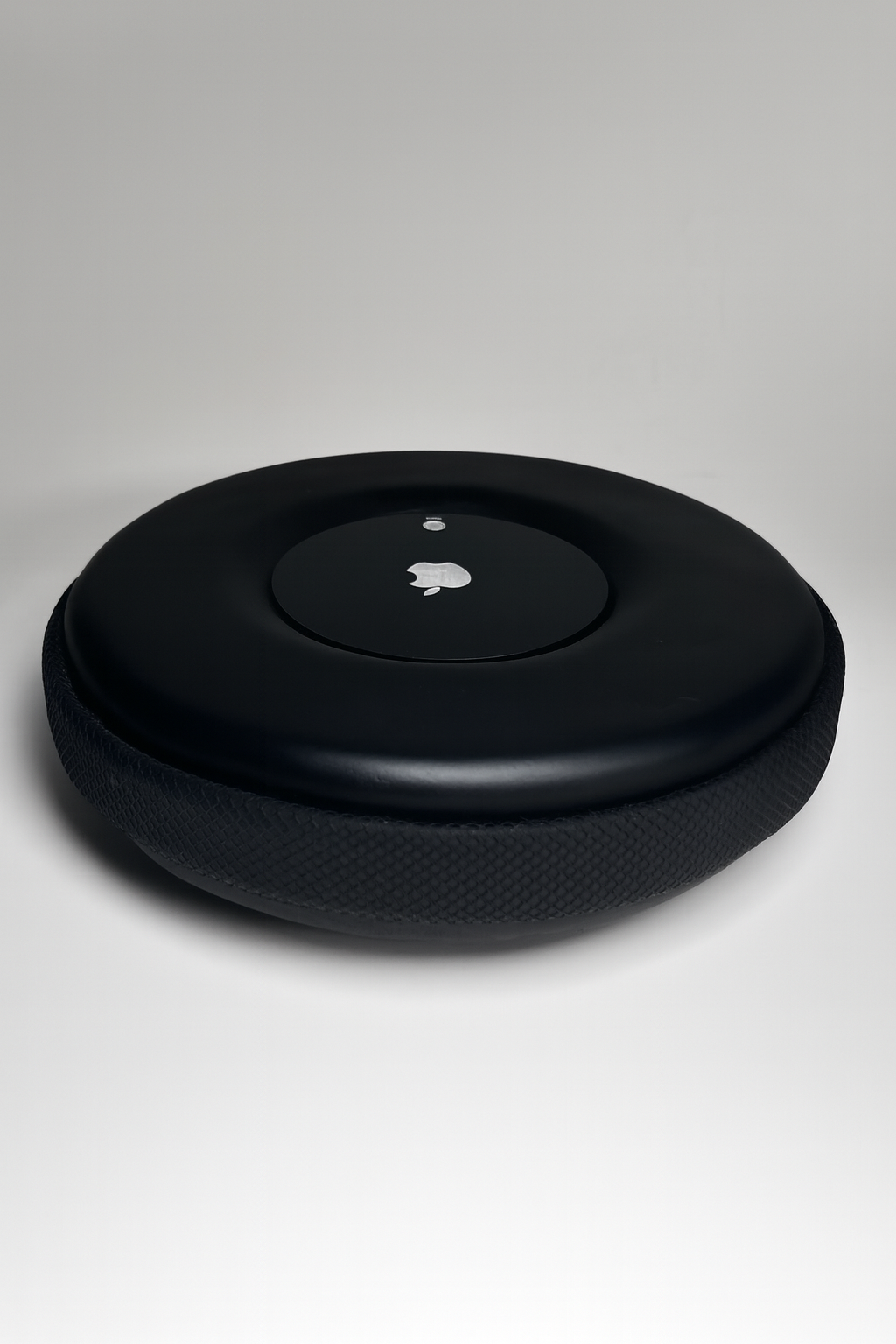
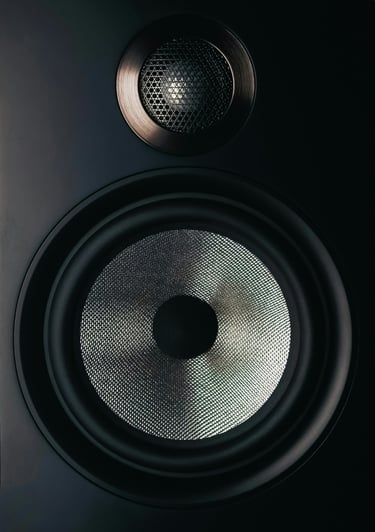
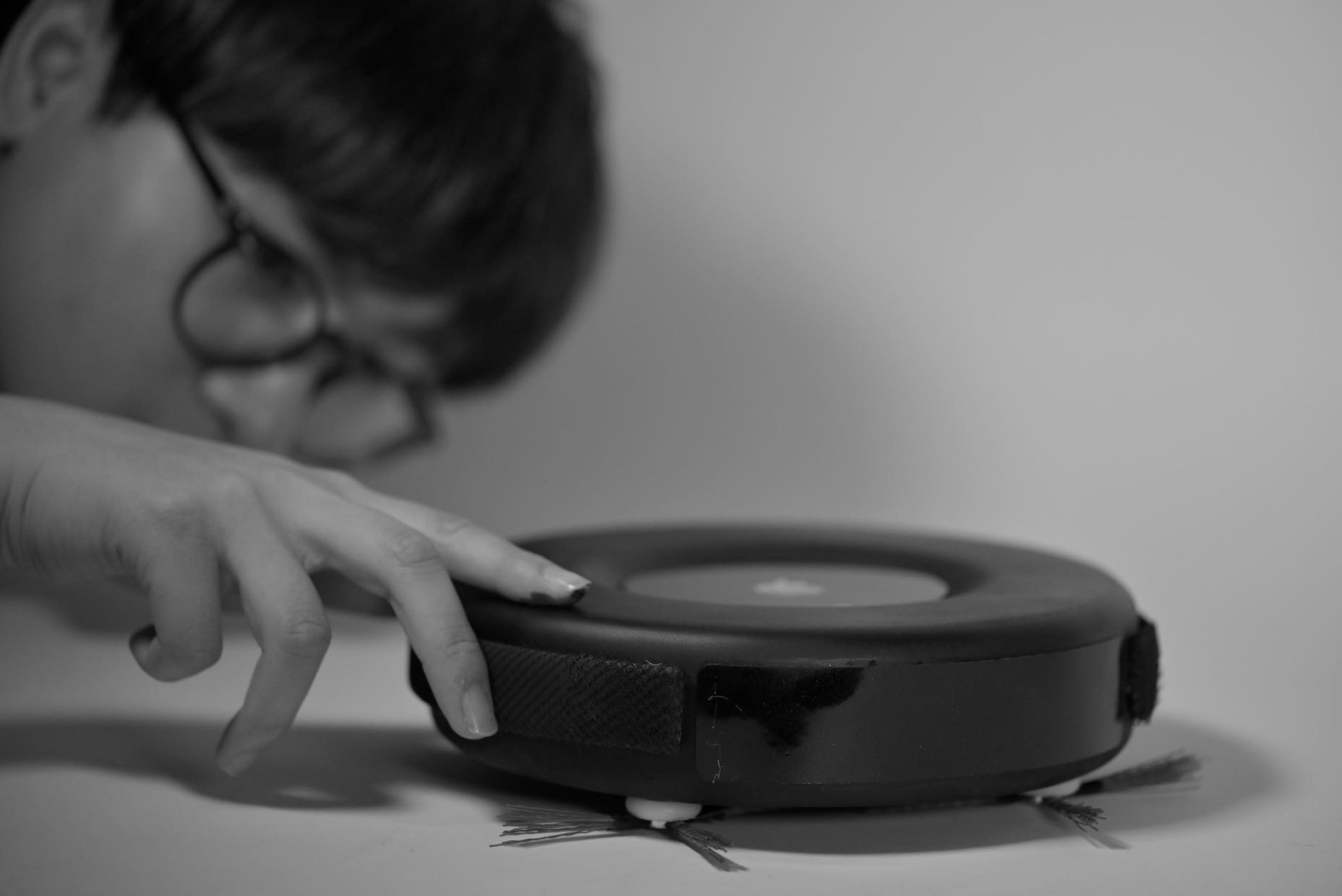
Smart vacuum robot = Security camera + AI-powered assistant + Speaker
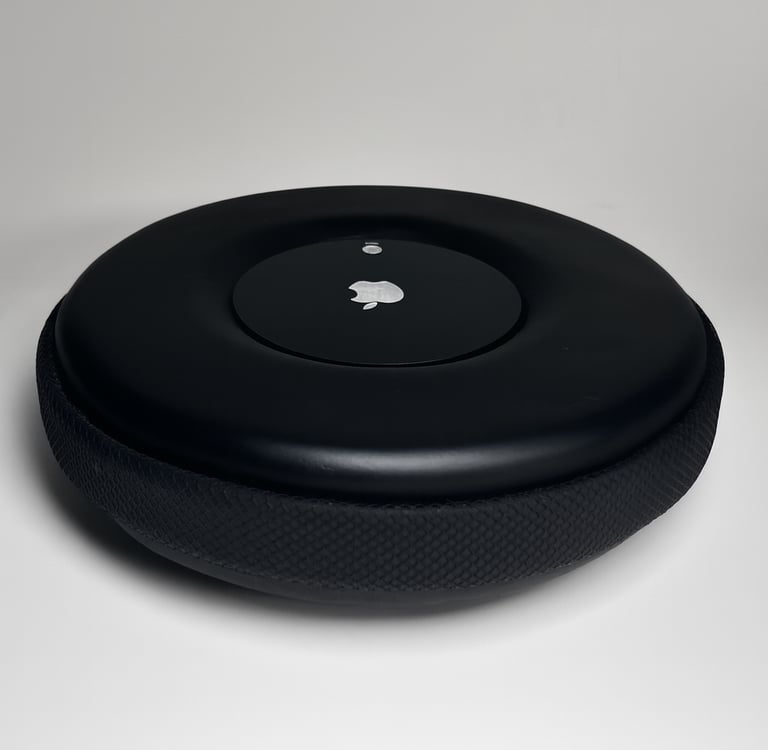
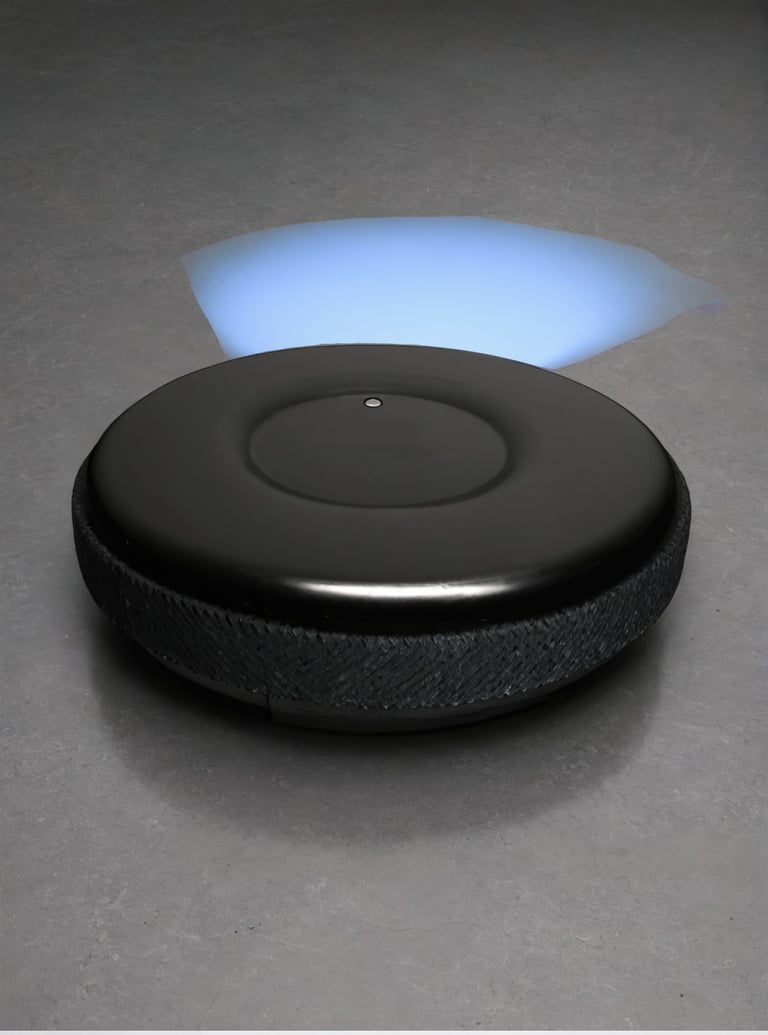
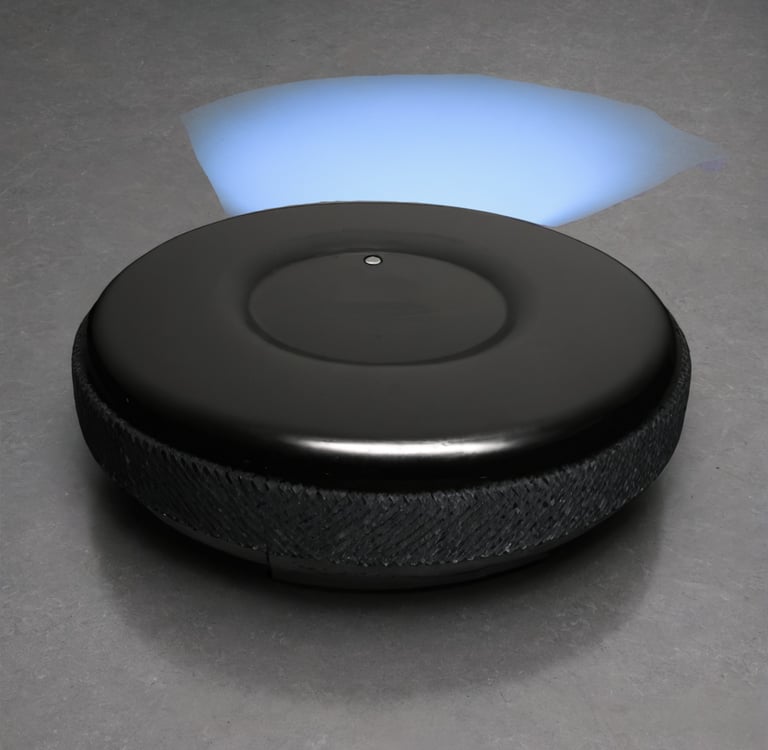
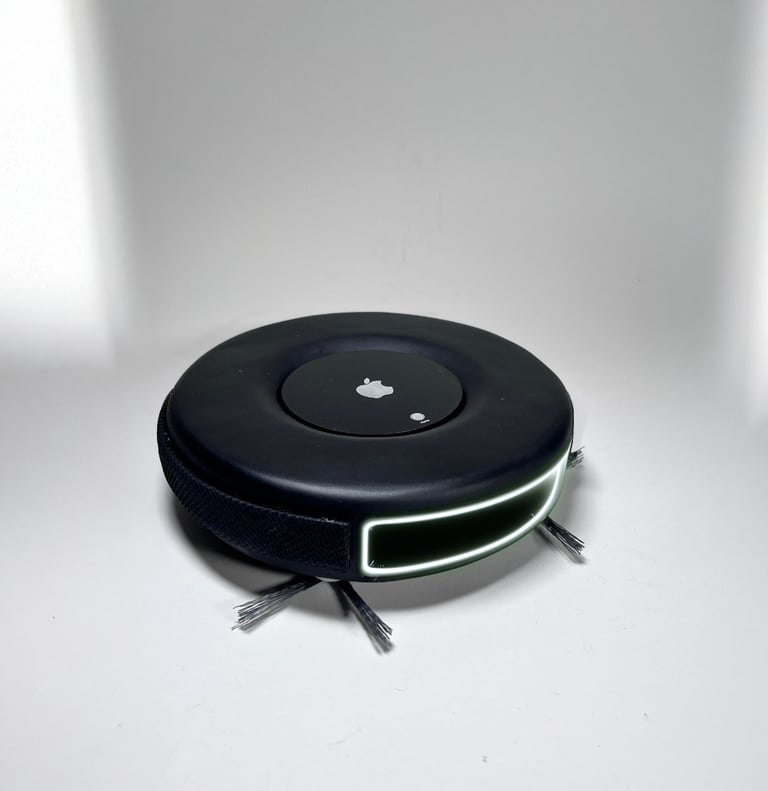
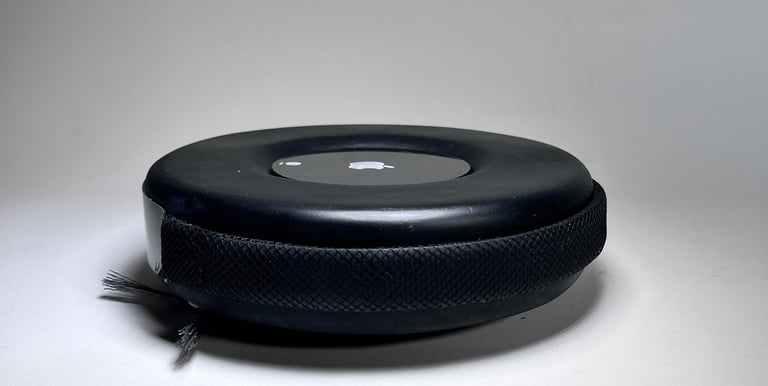
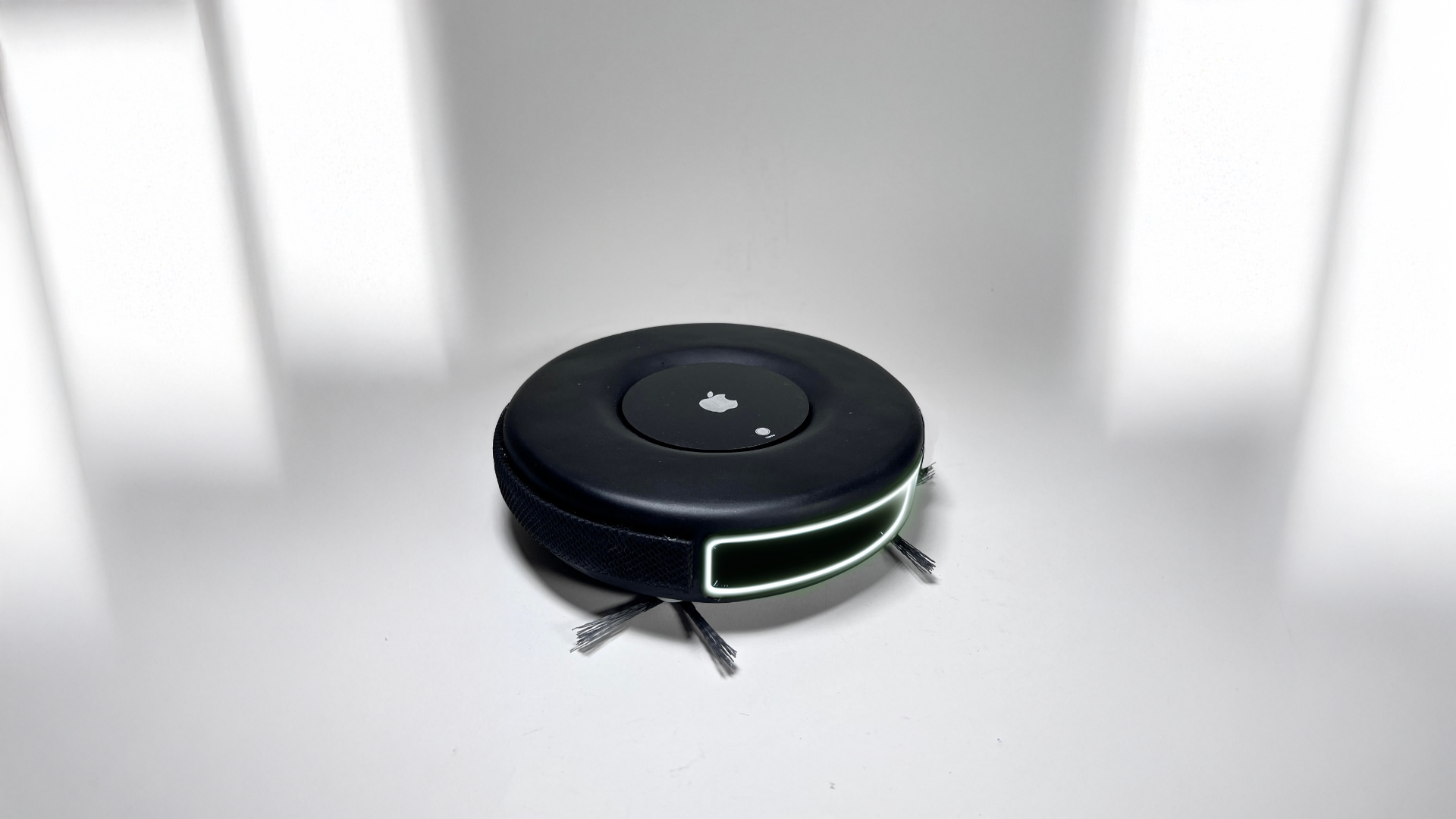
A next-generation smart vacuum that not only keeps your floors spotless but also serves as a home security camera, an AI-powered Siri assistant, and a fully integrated smart speaker for a connected living experience

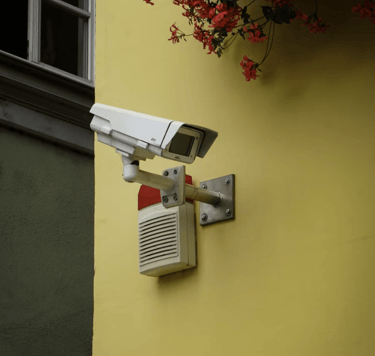
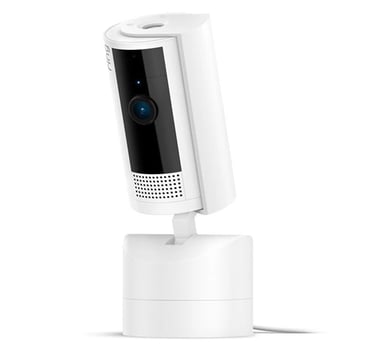
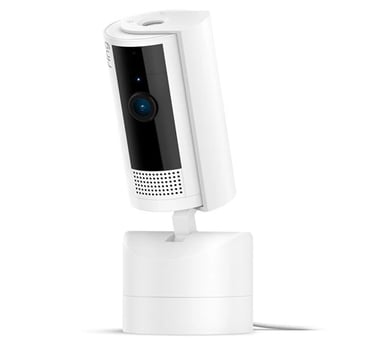
Camera

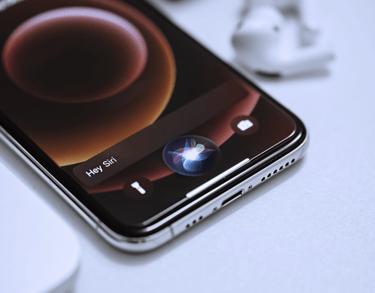
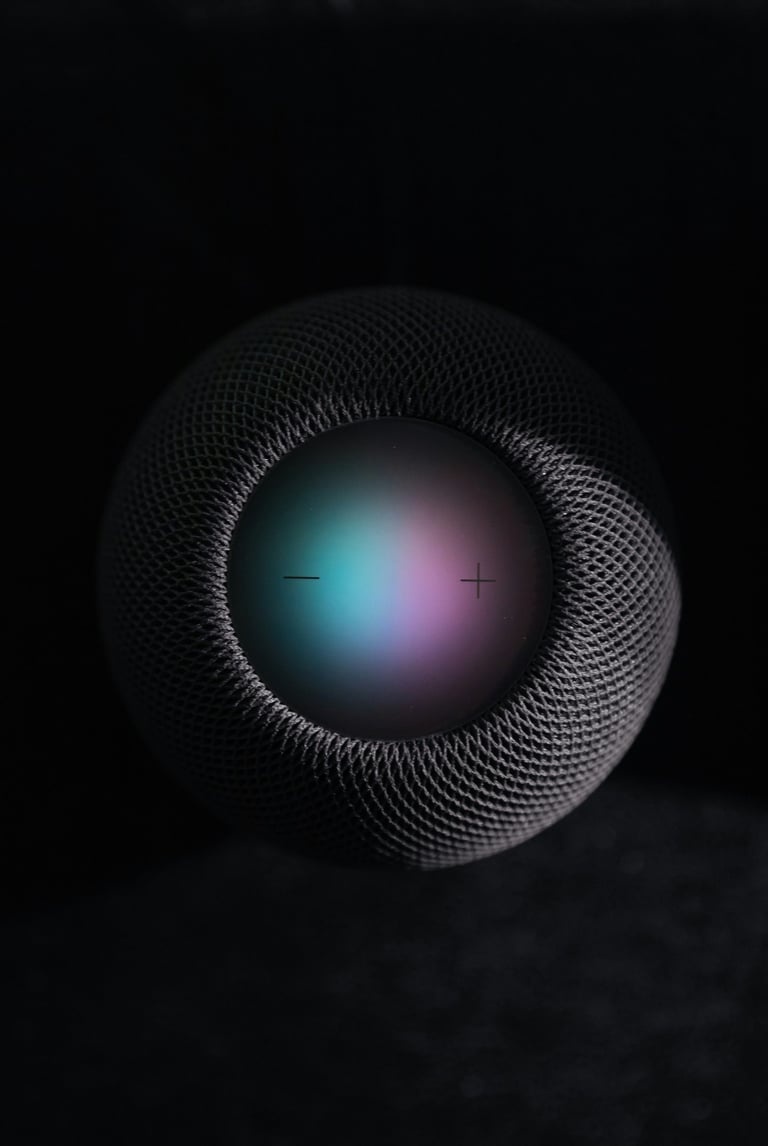
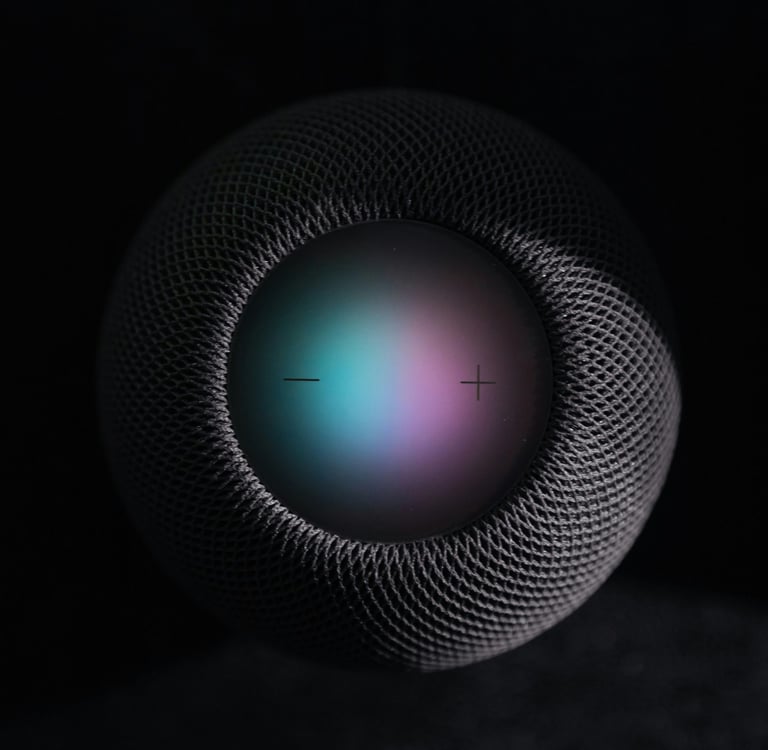
Assistant

Speaker

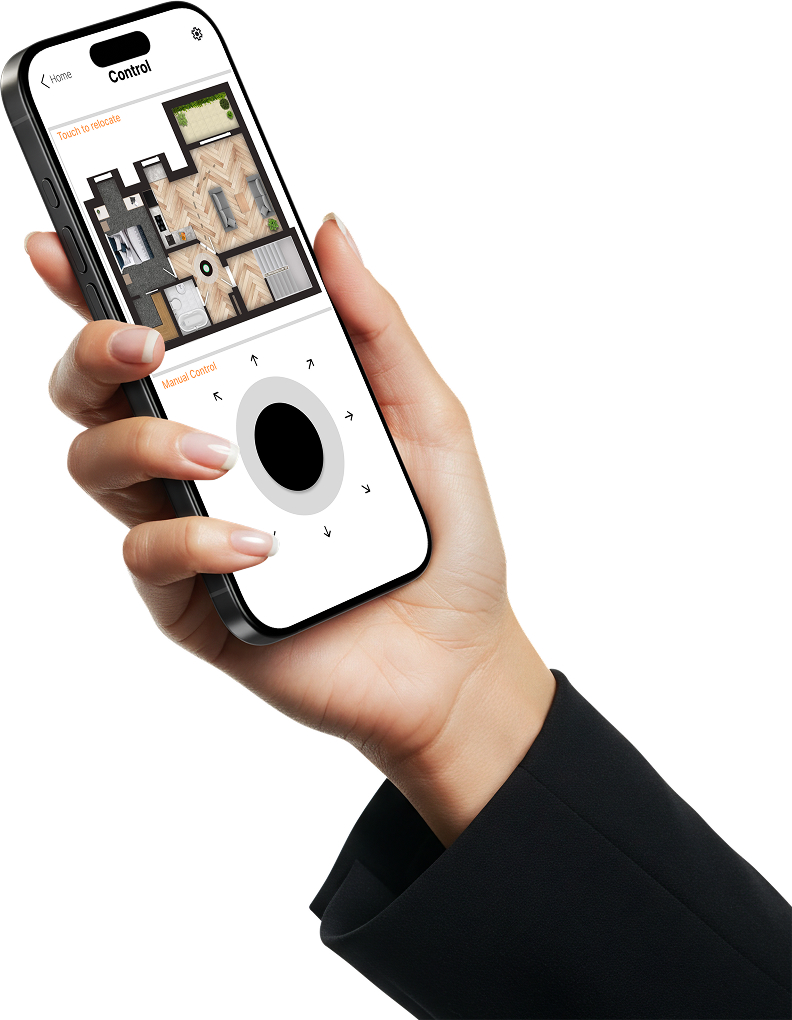
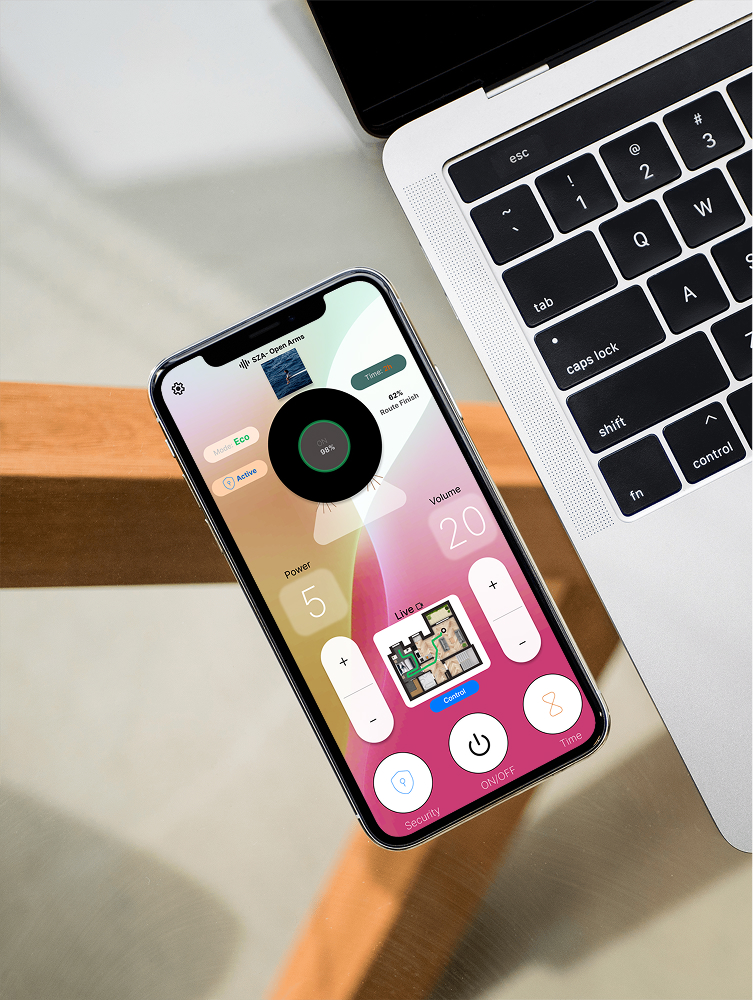
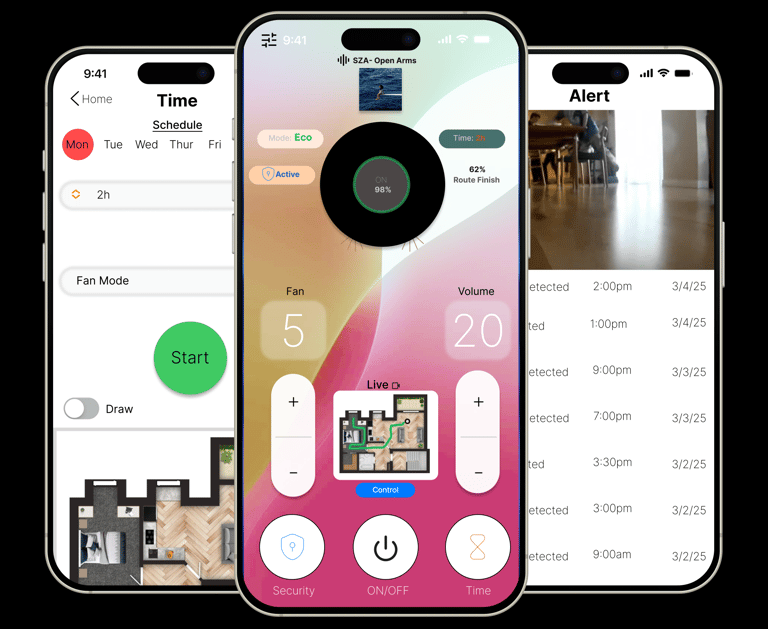
Control App

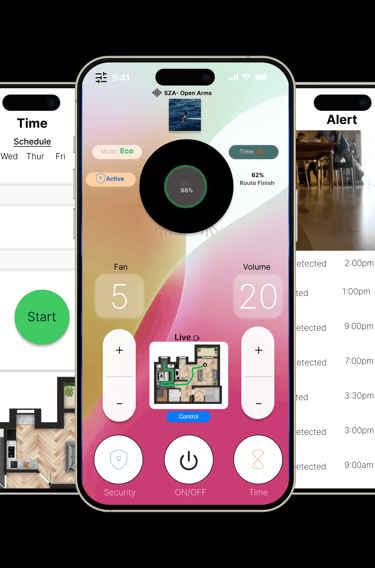
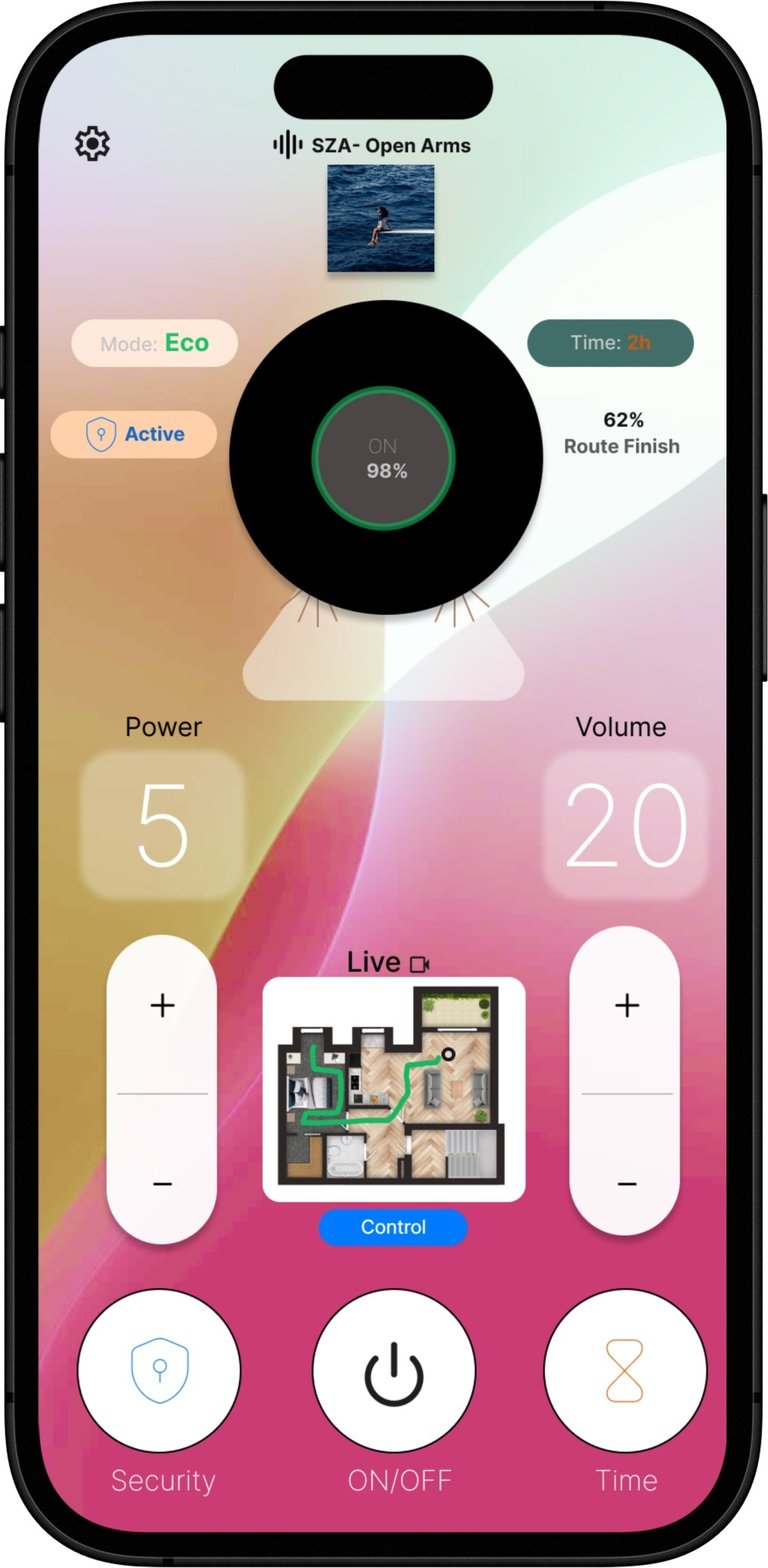
The companion app lets you control, schedule, and monitor your AI vacuum with ease. From smart cleaning to home security and automation, everything is seamlessly managed through the connected app.
8+

40

Total screens developed

User testing

Display info

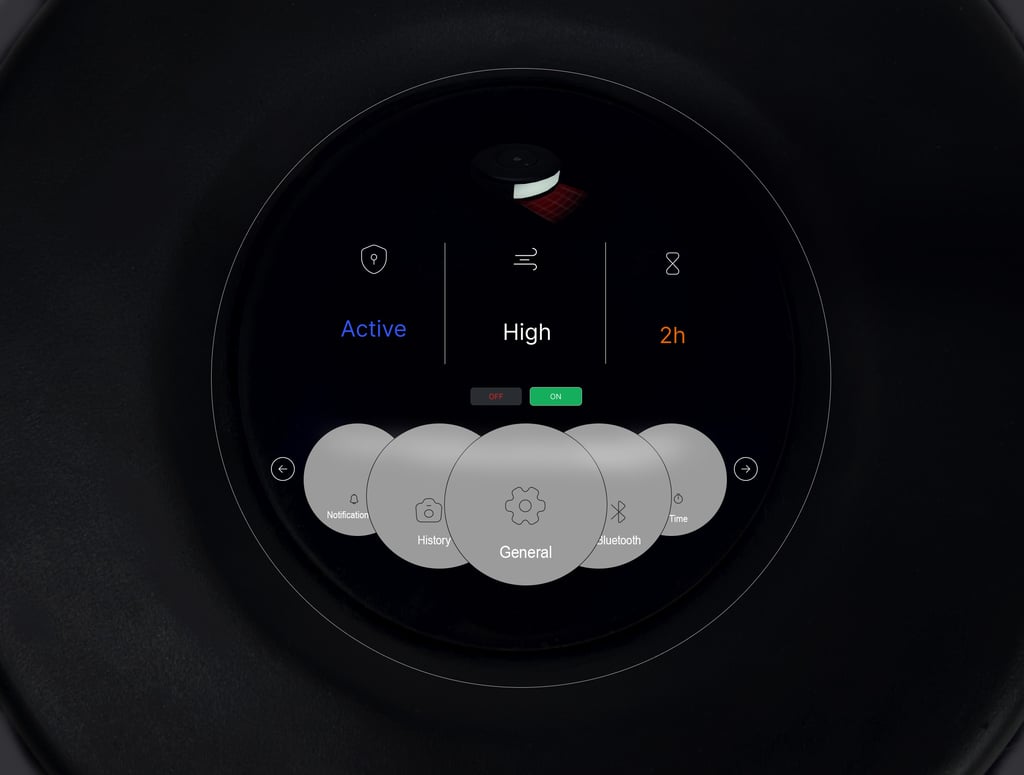
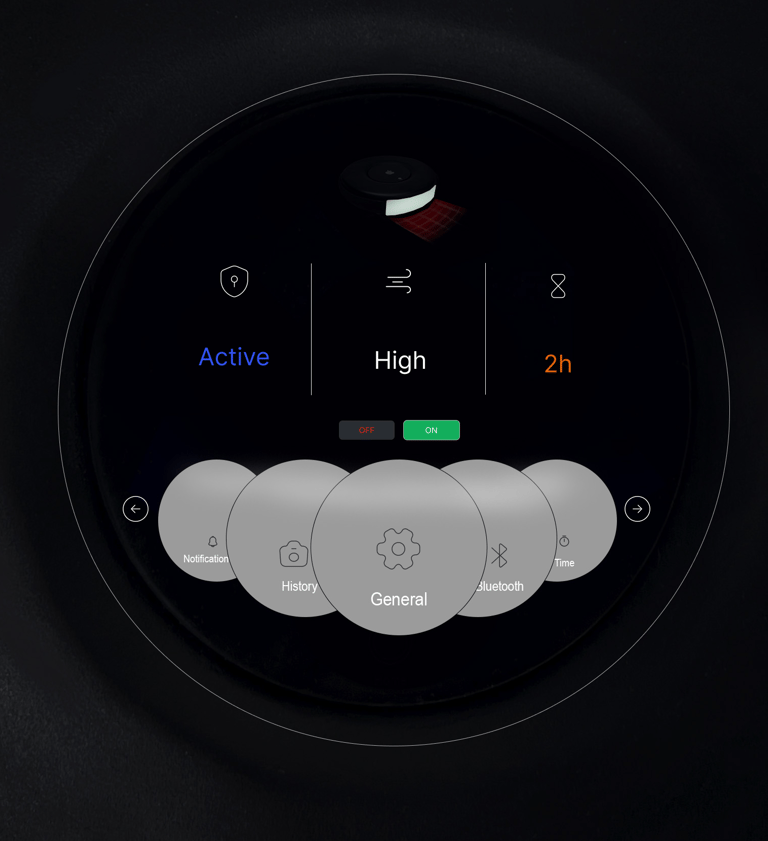
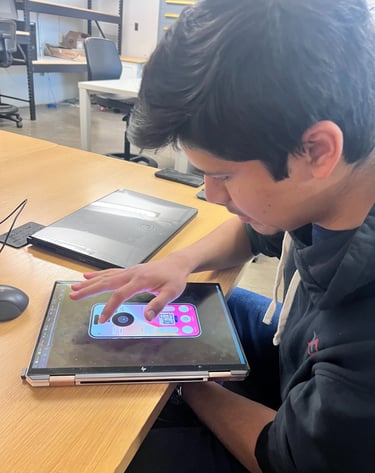
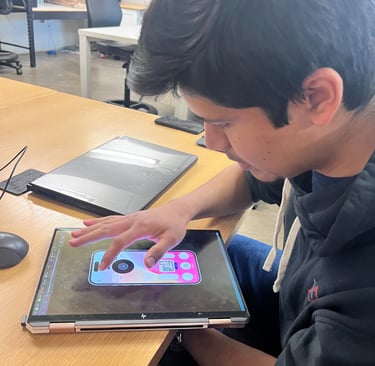
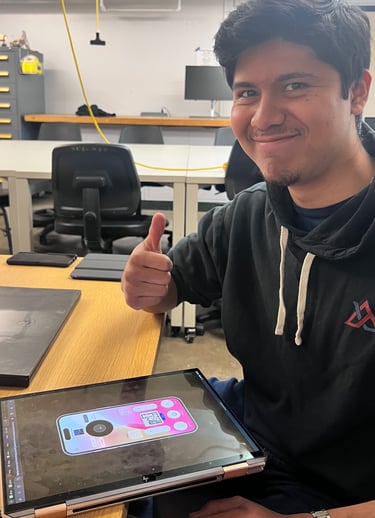
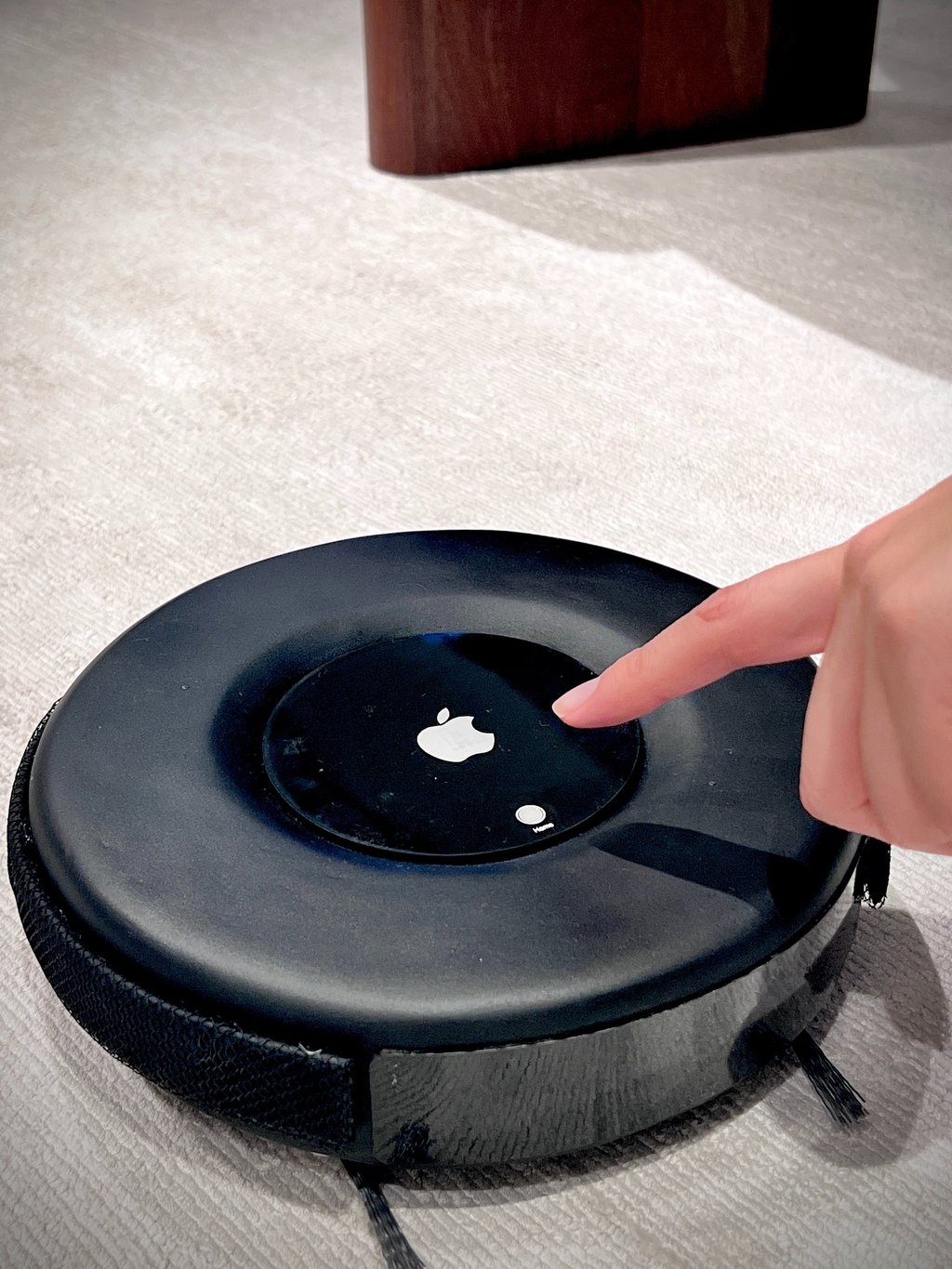
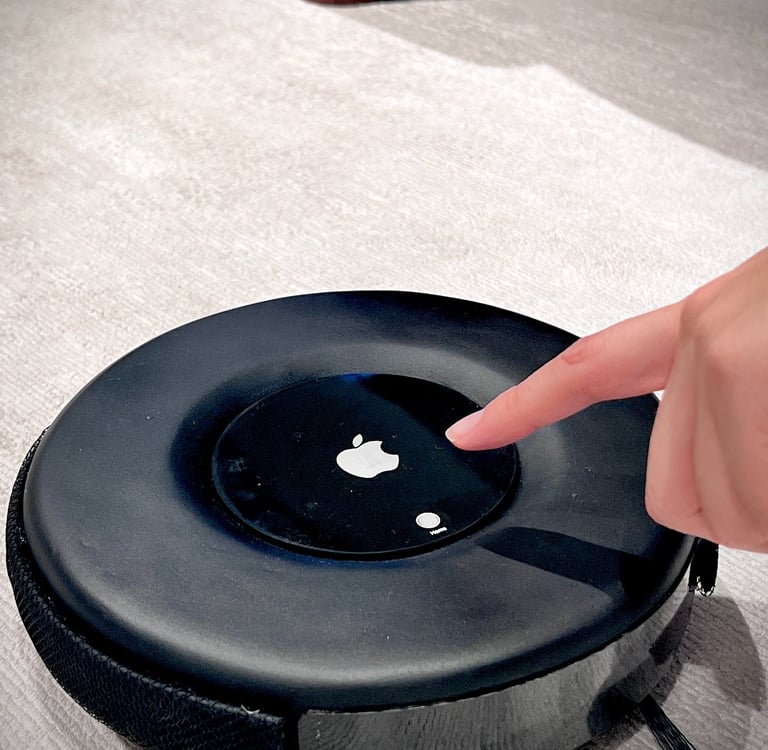
The device features a built-in touchscreen that functions as a quick settings panel and displays essential information

Reflect AI Voice Assistant status and ON/OFF

Interactive display

Insight

Current robot vacuums present notable limitations, including inadequate obstacle detection, excessive noise, and a lack of connection to the broader smart home ecosystem. In addition, devices such as speakers remain isolated and inconvenient to manage, underscoring the need for a unified and seamless solution.


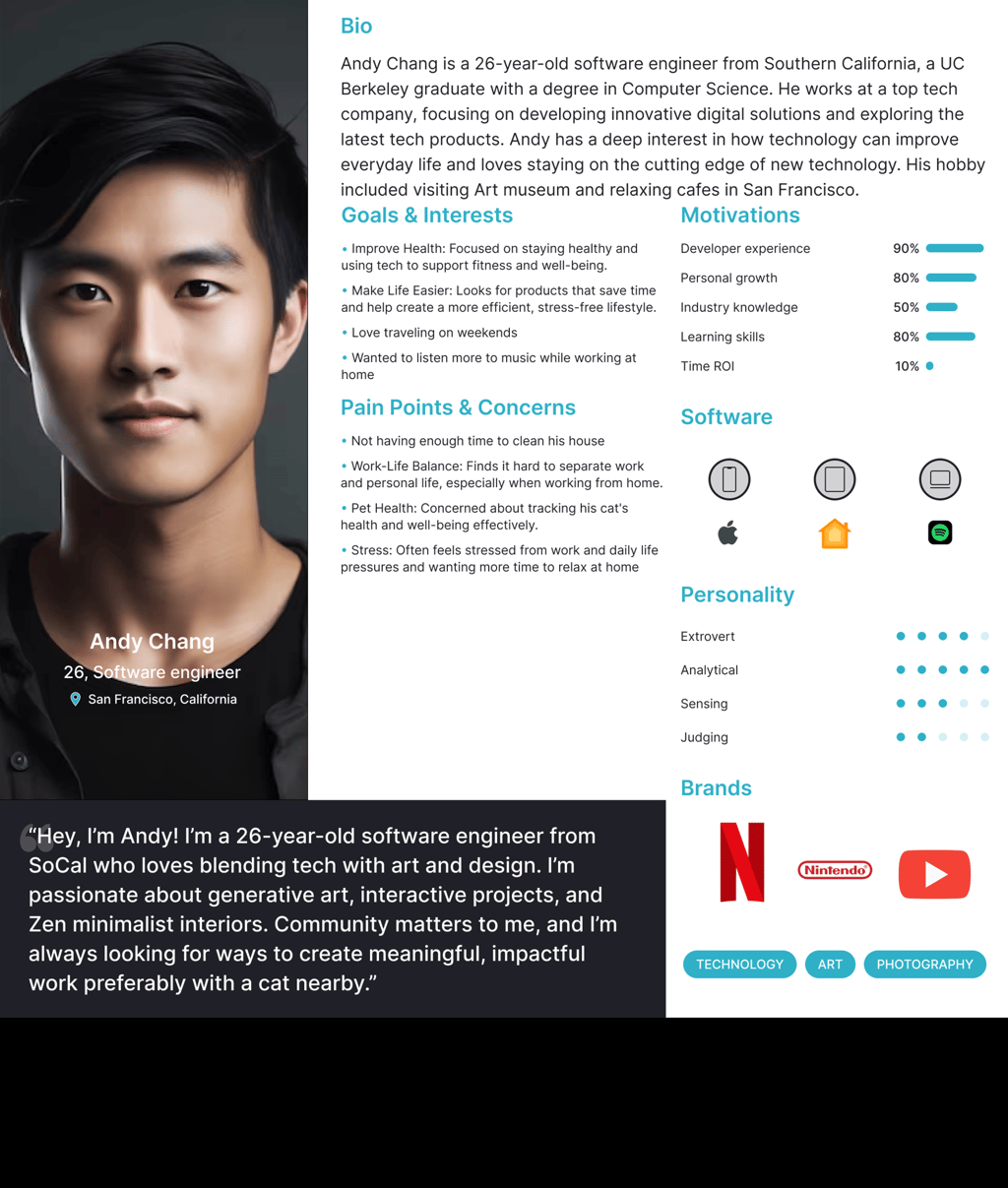
Persona

Andy Chang, a 26-year-old software engineer, was developed as a primary persona based on research showing that young professionals are key adopters of smart home technology.

Living a busy, fast-paced life, Andy seeks products that integrate seamlessly into his tech ecosystem, save time, and reduce stress. Apple Assist Pro positions him as the ideal user, someone who values convenience and modern, connected living.


Inspirations

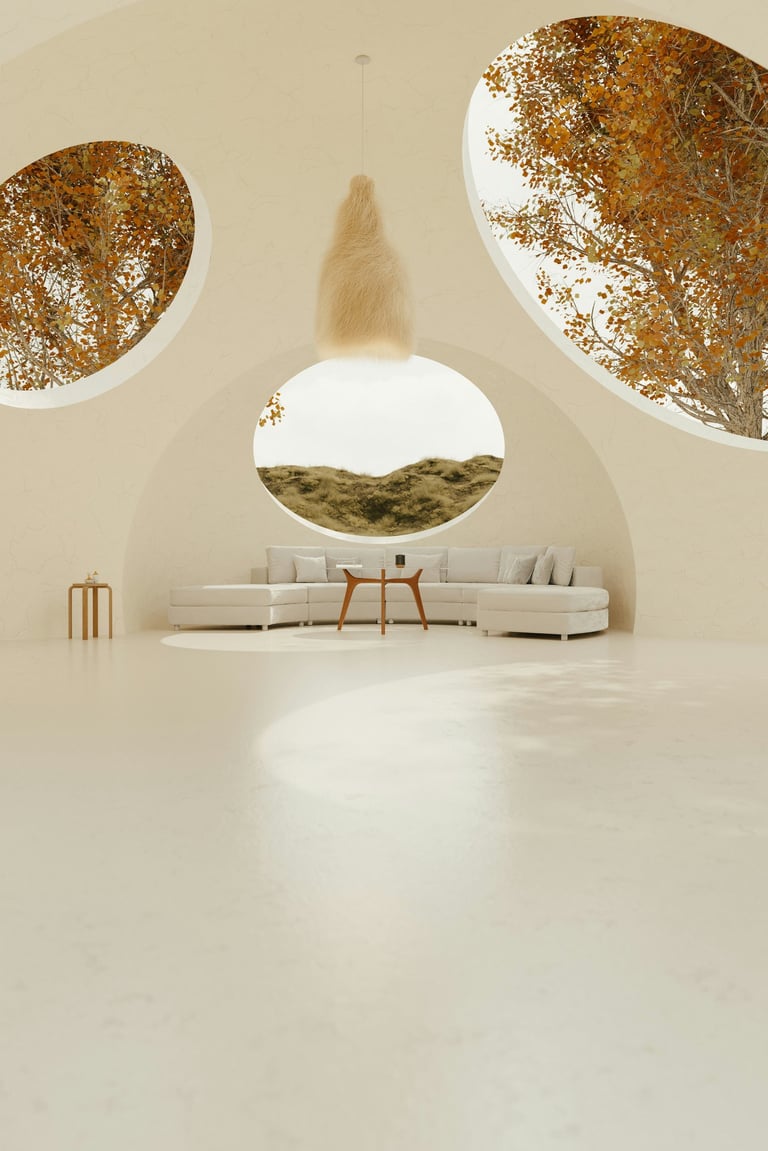
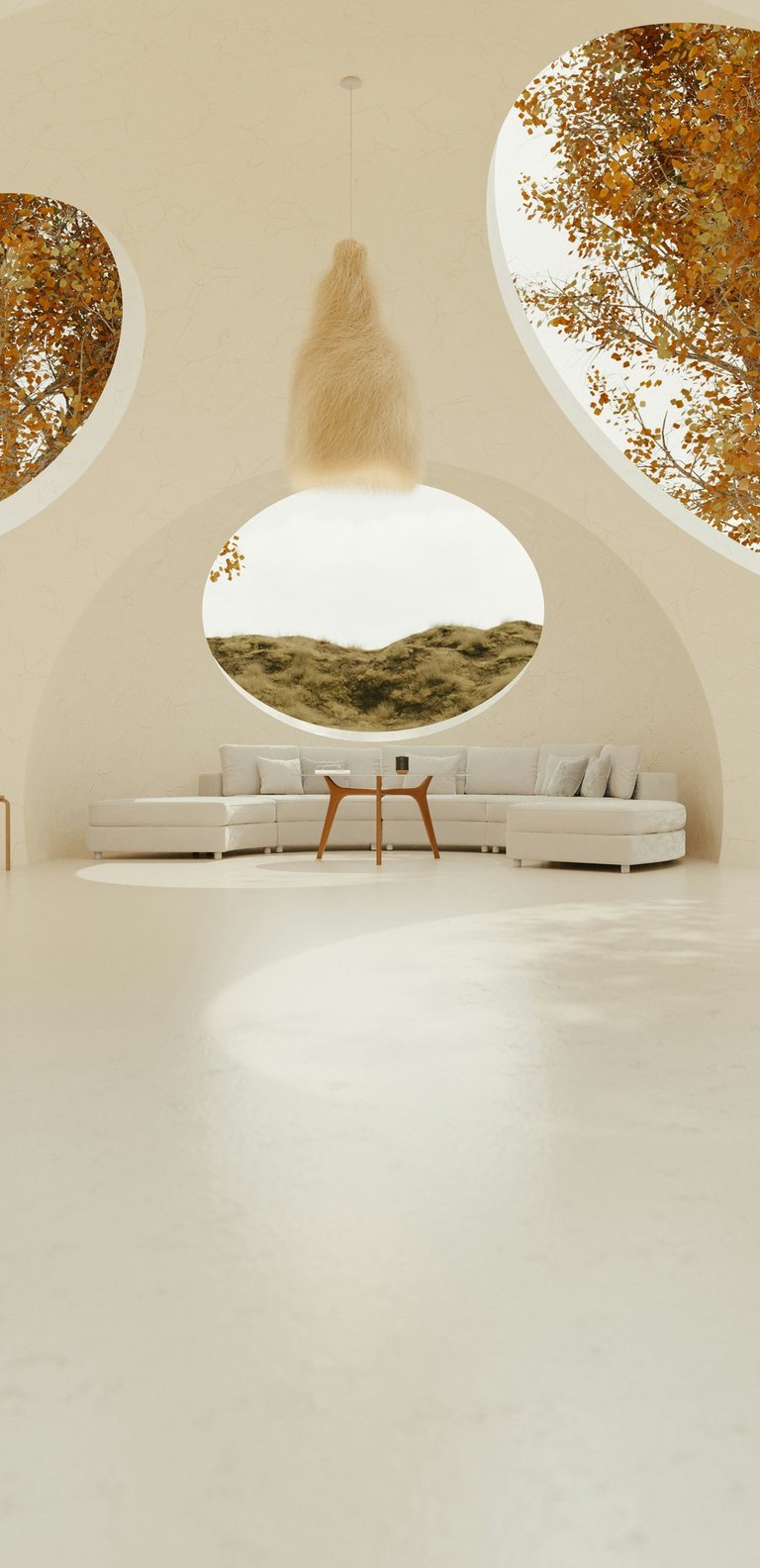
Before beginning the design, I drew inspiration from Apple Park iconic architecture and its tribute to Apple’s design language. Its organic modern language, infinite repetitive patterns, and thoughtful interior presence guided me toward a vision that contributes to a space rather than obstructs it

Analysis & Ideations

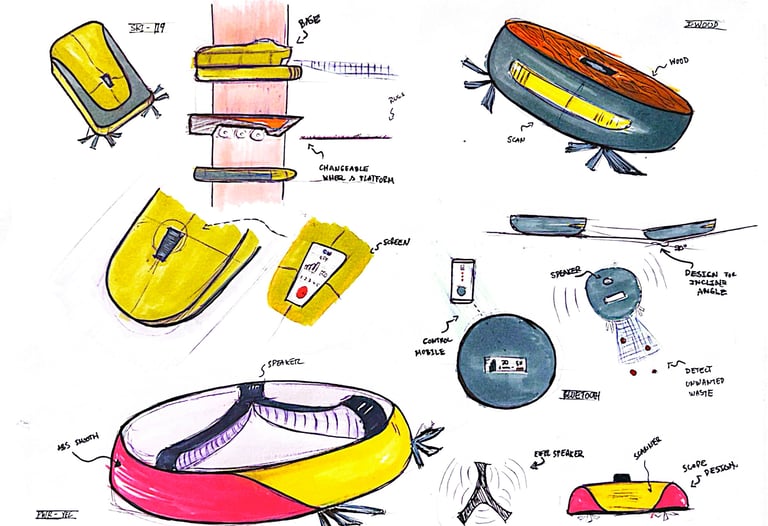
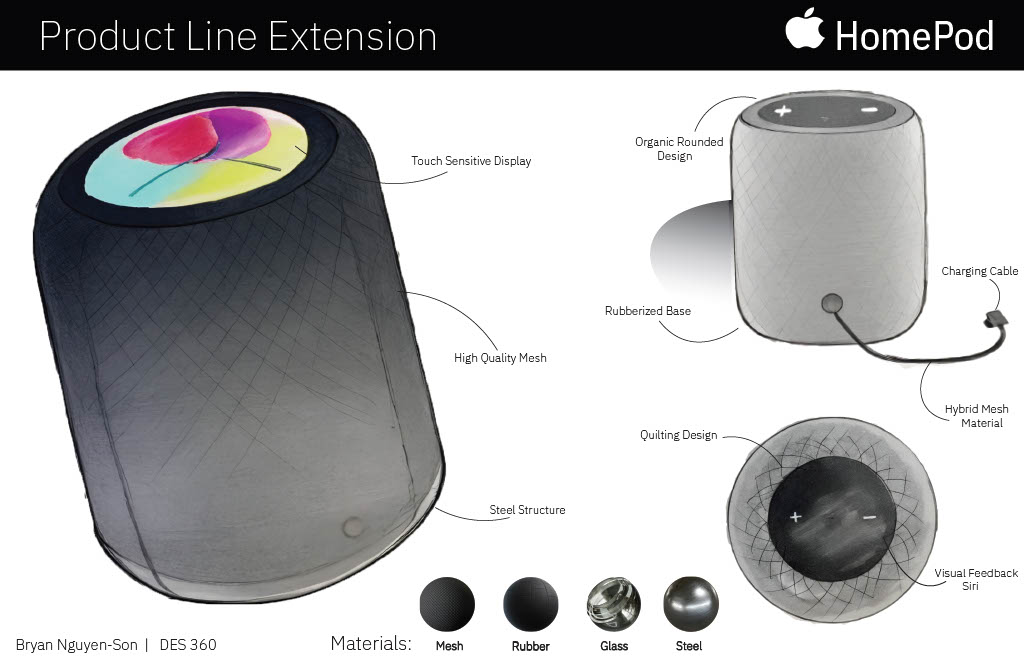
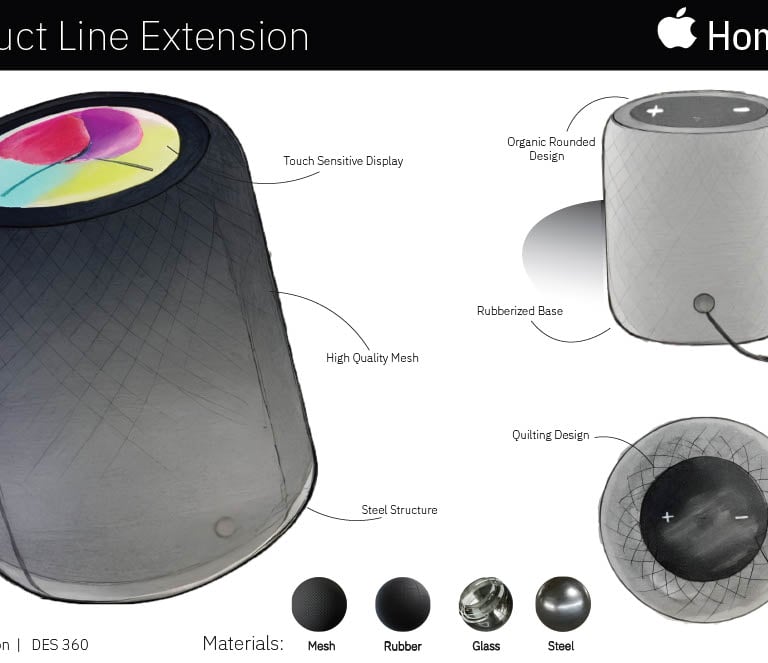
An analysis of existing Apple products and their design language guided the exploration of brainstorming and sketches, which later evolved into iterations for the final design
Prototypes & Manufacturing

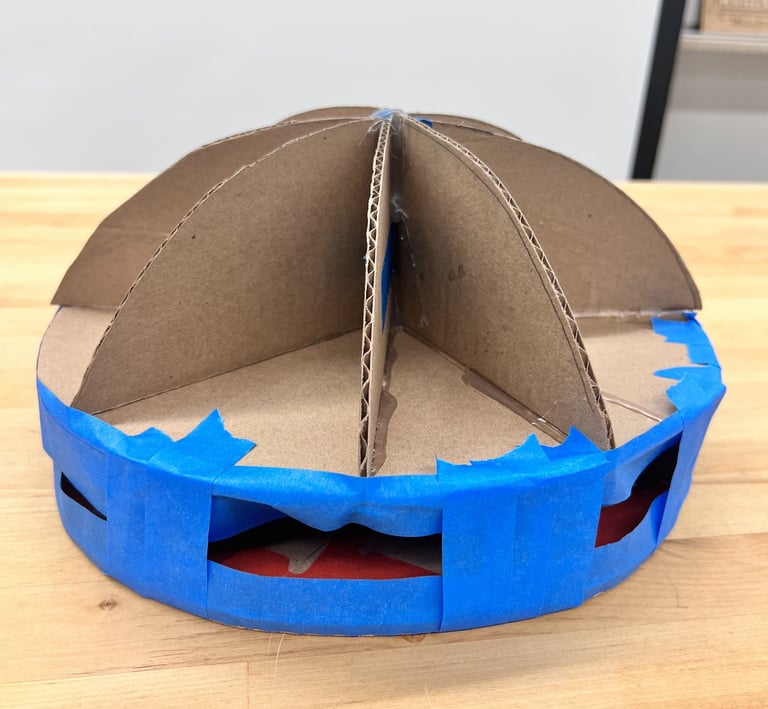
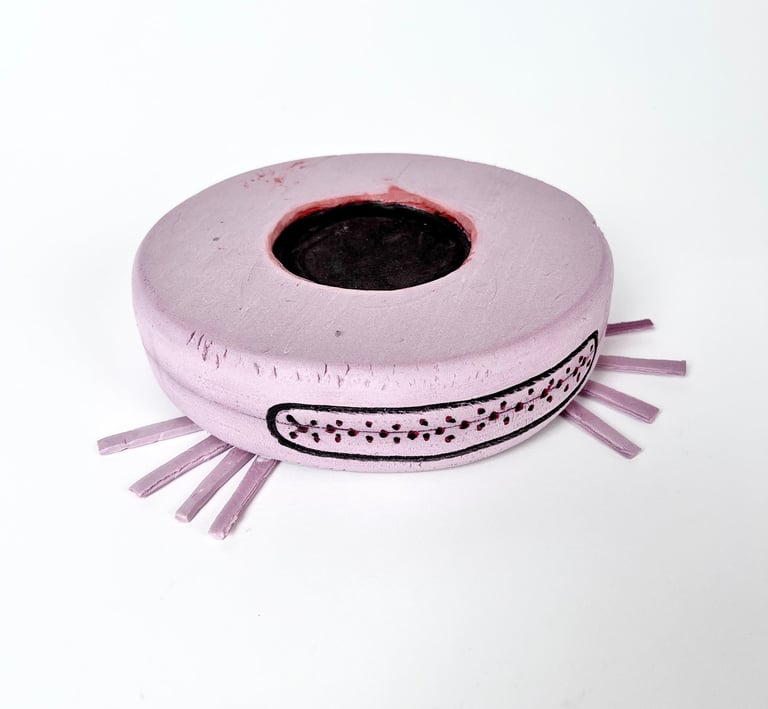
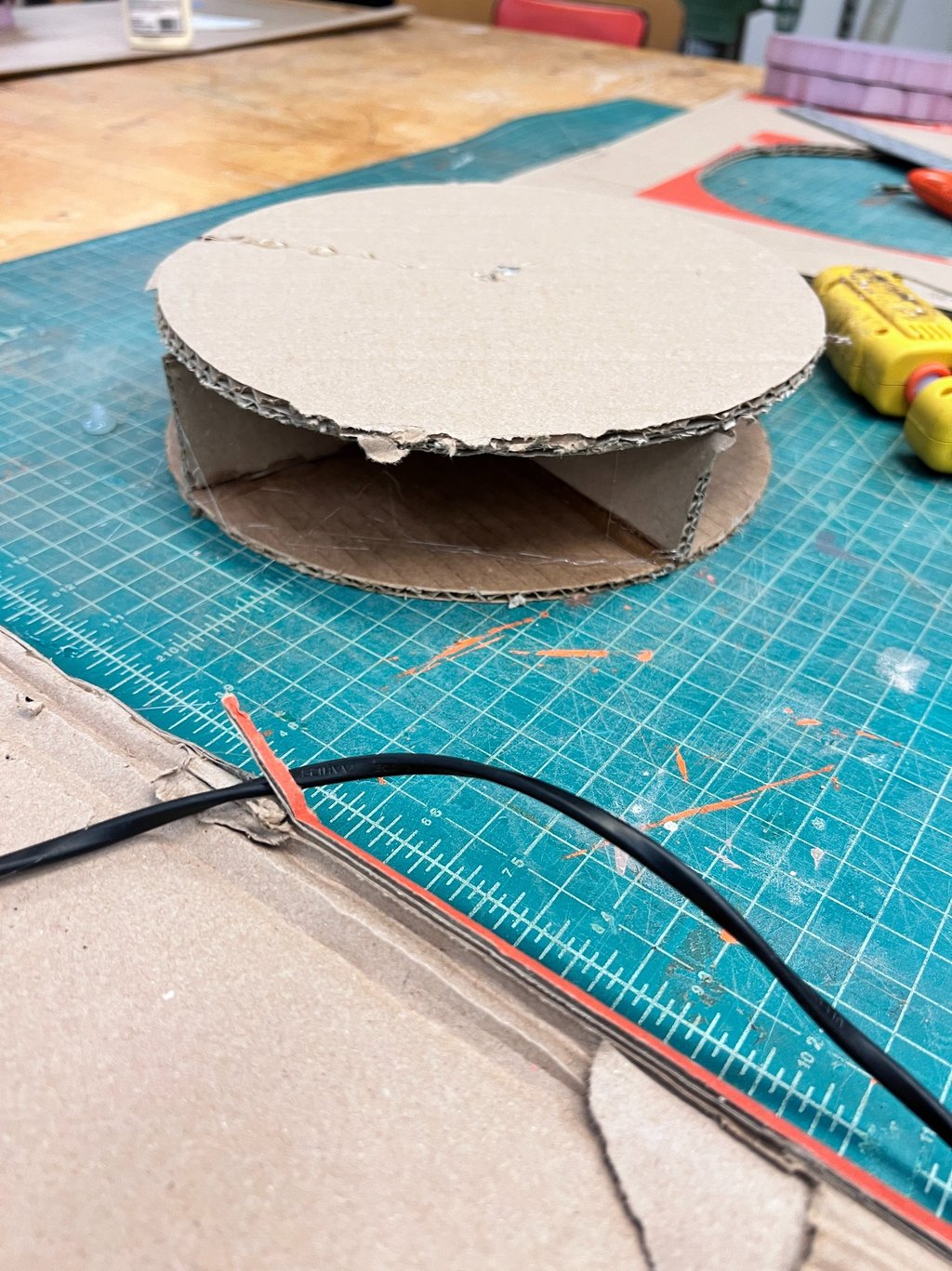
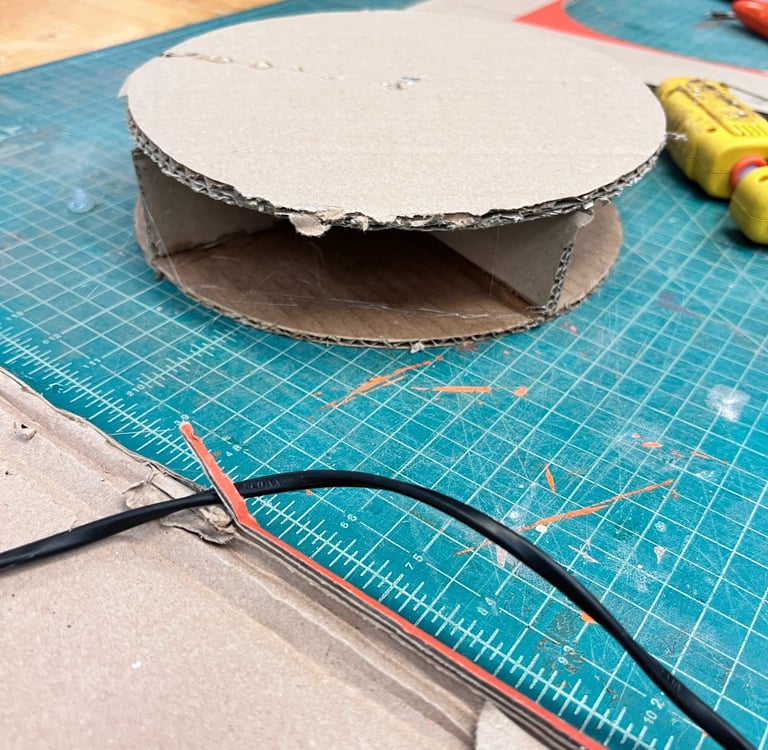
Each prototype was iterated based on feedback from professor and users.

1

2

3

High fidelity

Manufacturing

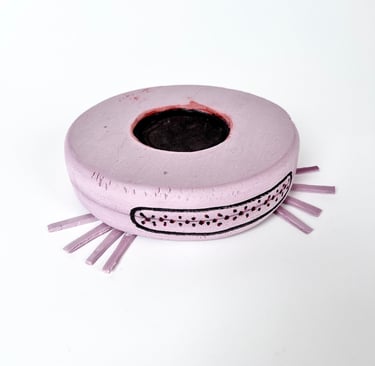
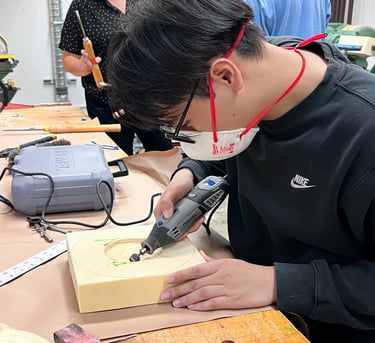
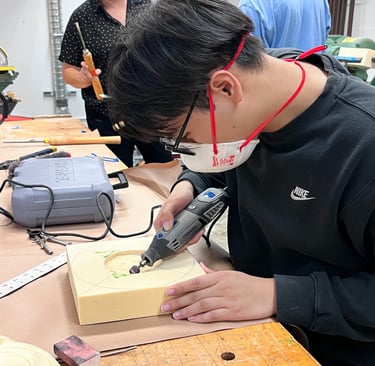
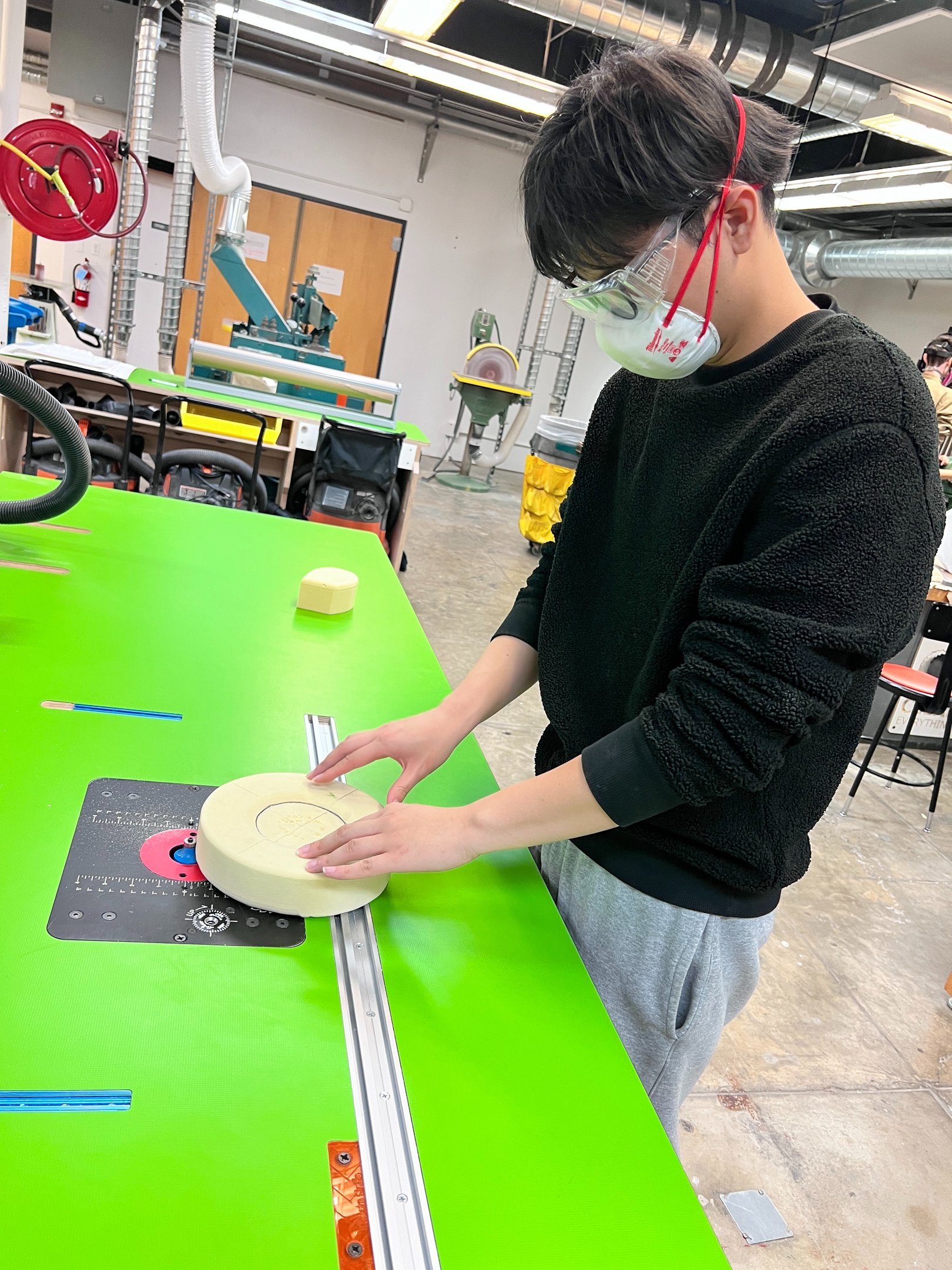
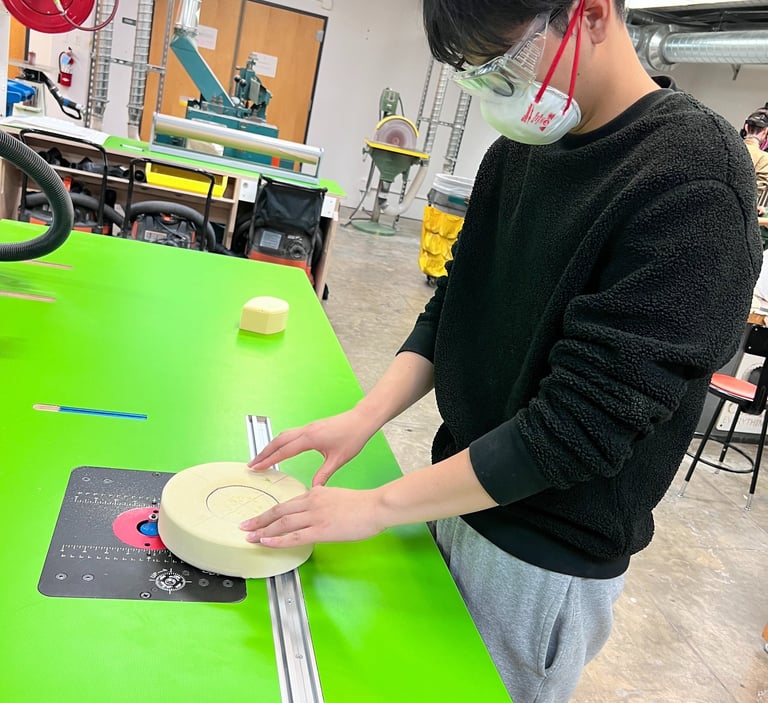
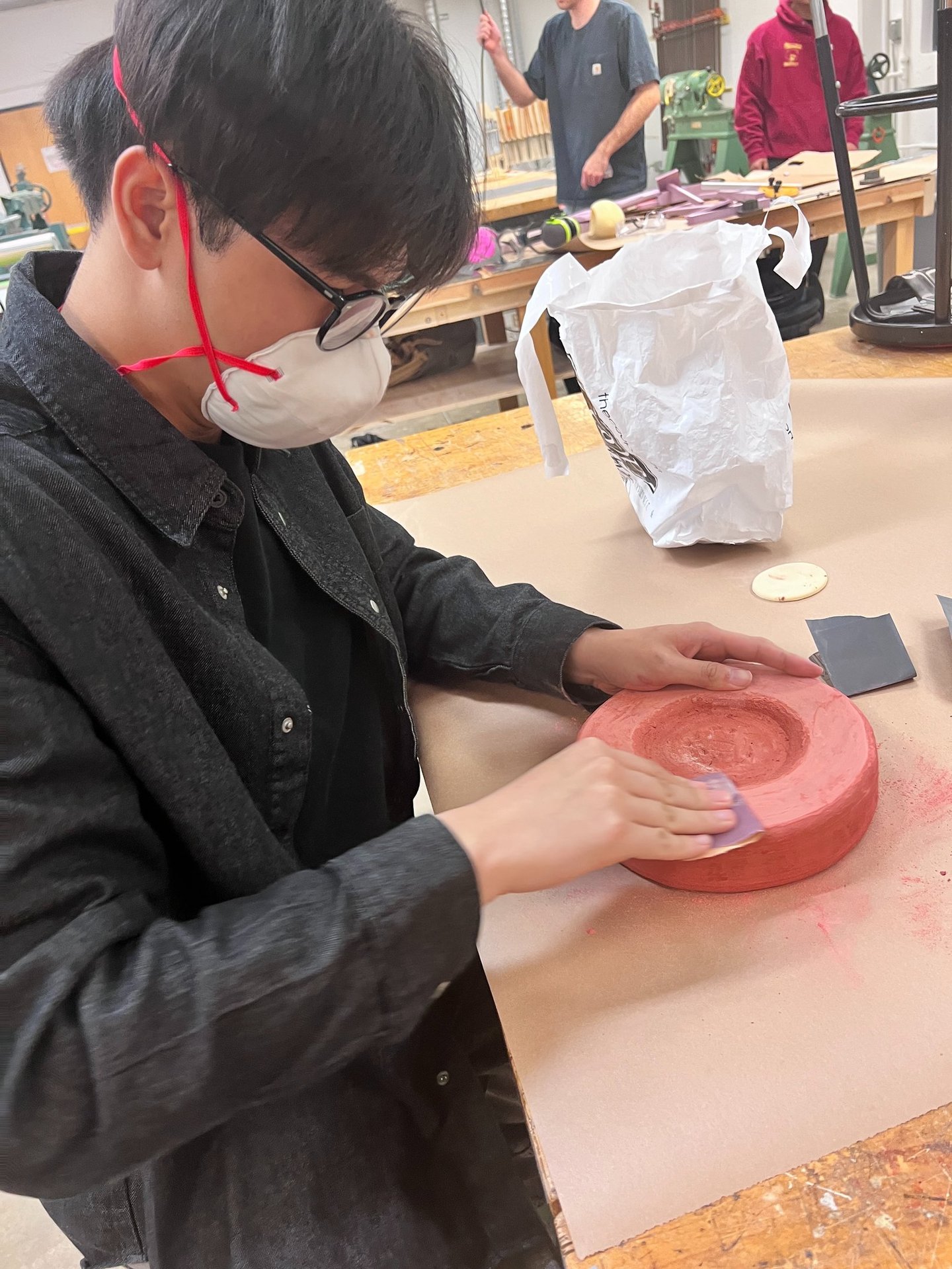
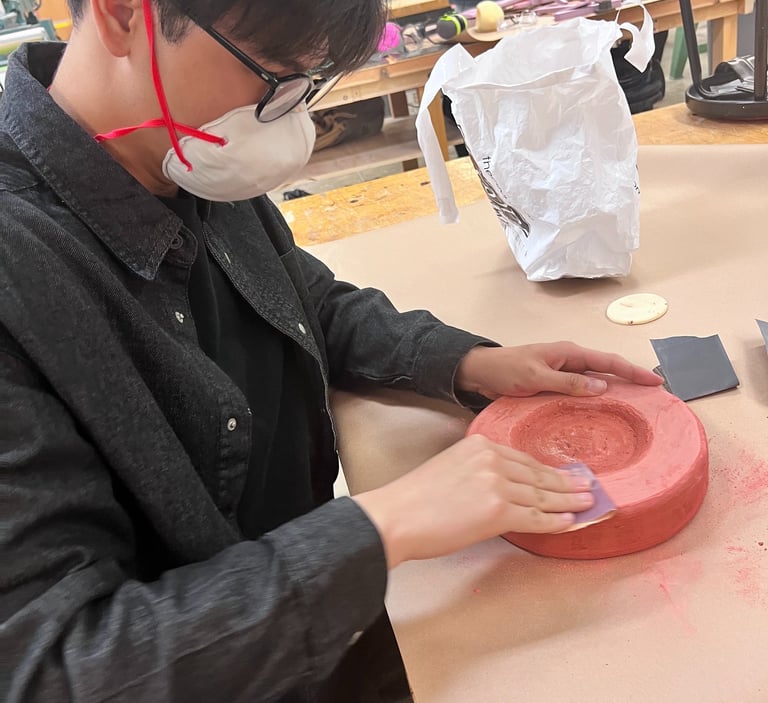
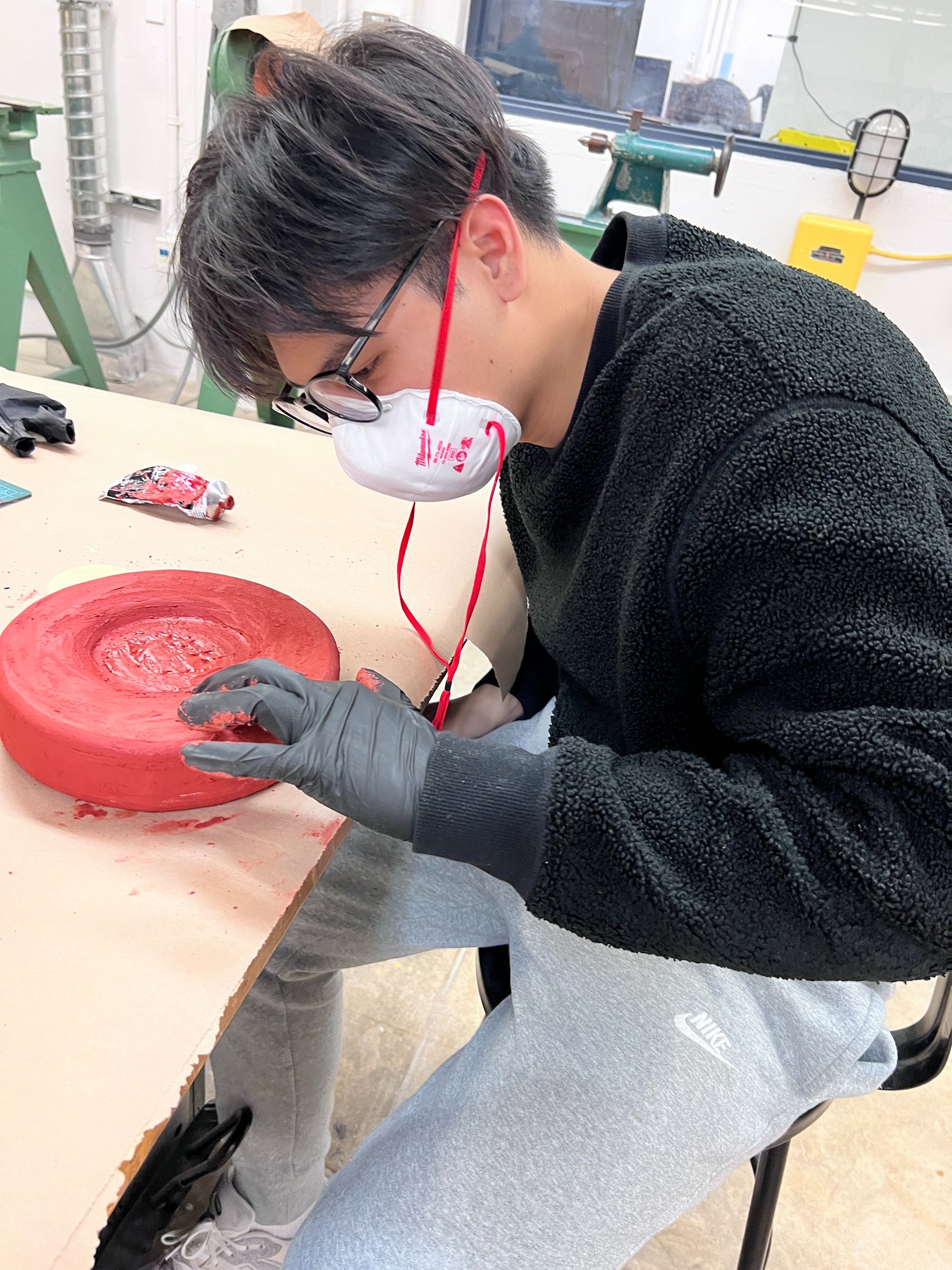
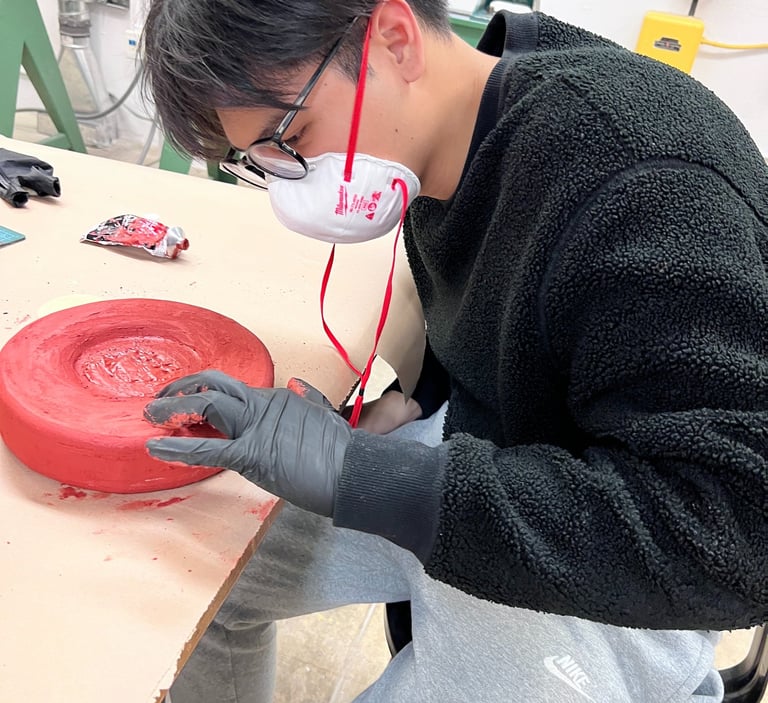
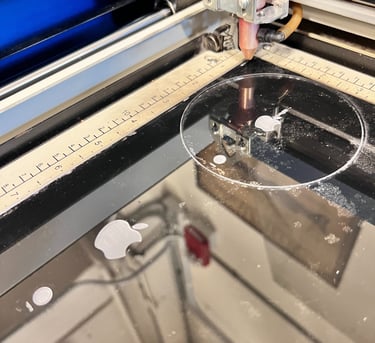
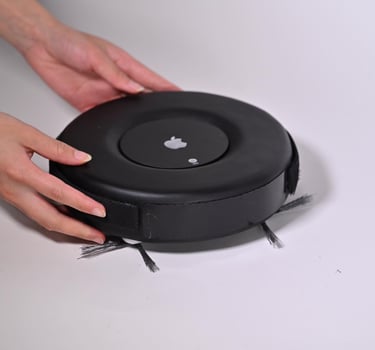
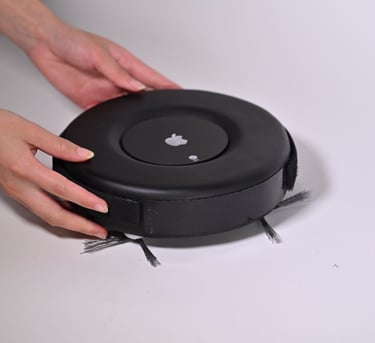
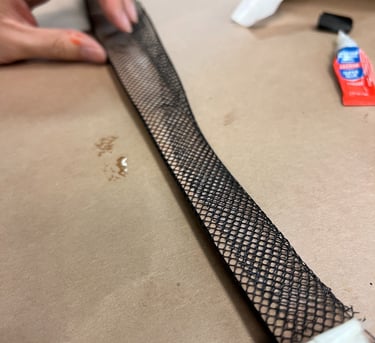
Two-week process: foam carving → Bondo application → sanding → raster laser cut touchscreen → primer + two paint layers for final finish.
App Research

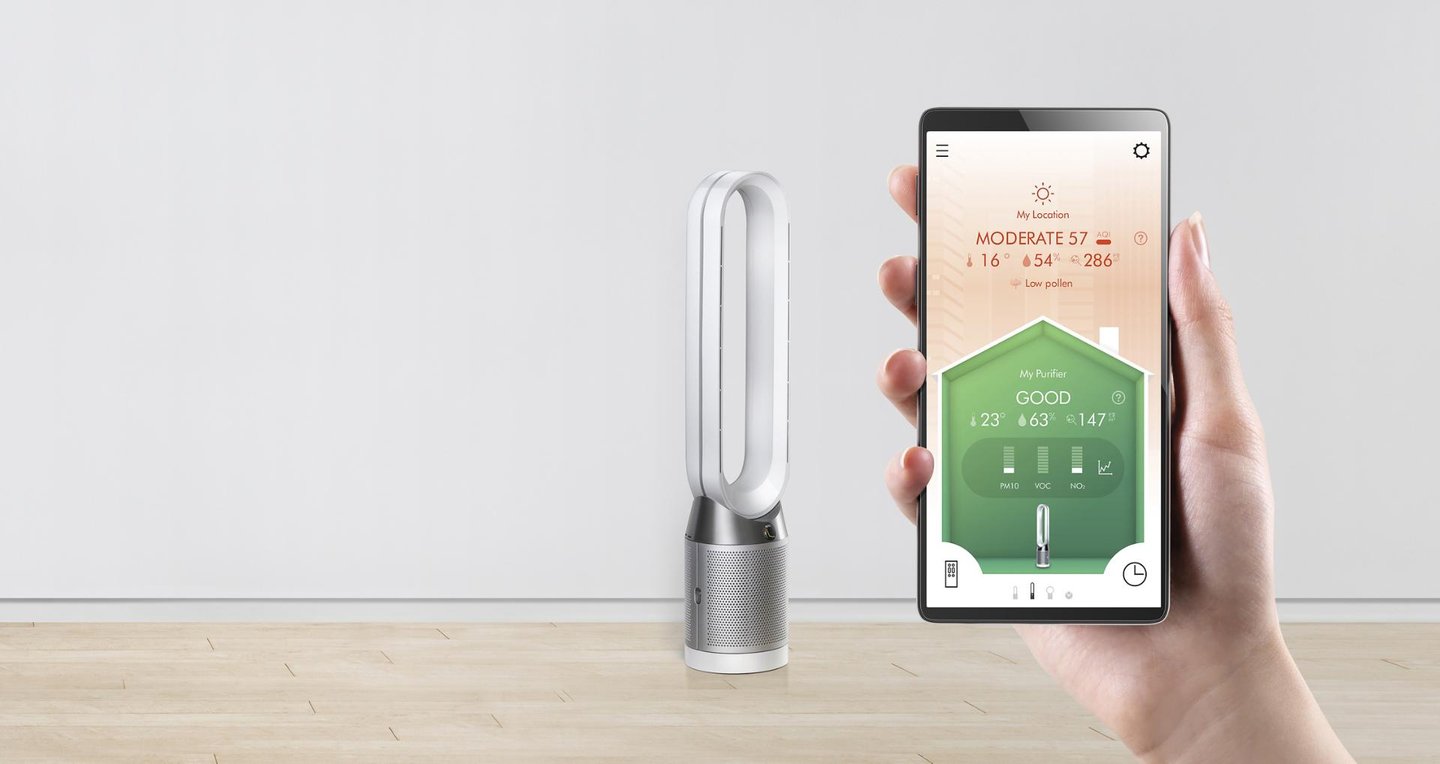
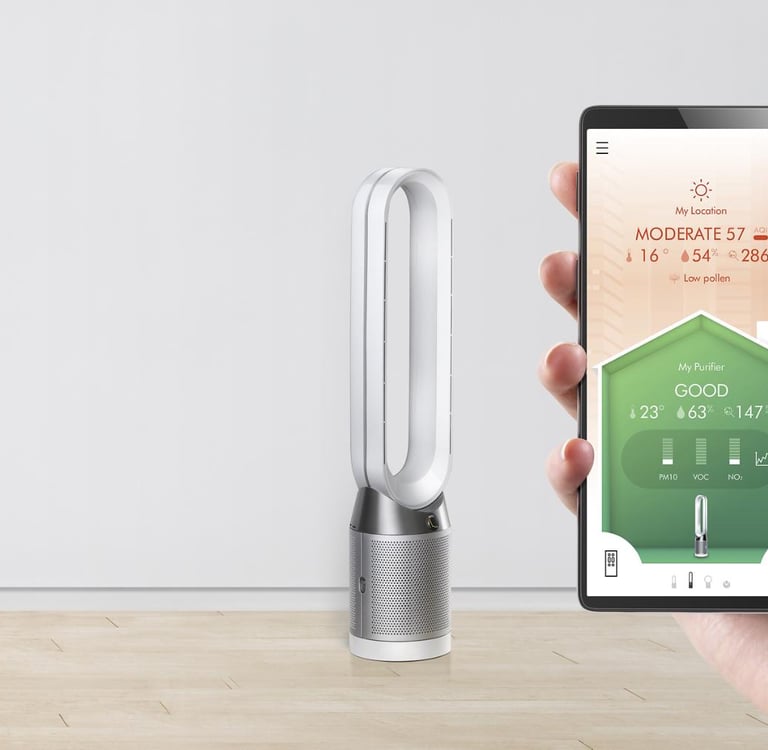
Analysis of existing apps during the design process, which focused on their strengths and weaknesses, providing insights that support the development of the app.

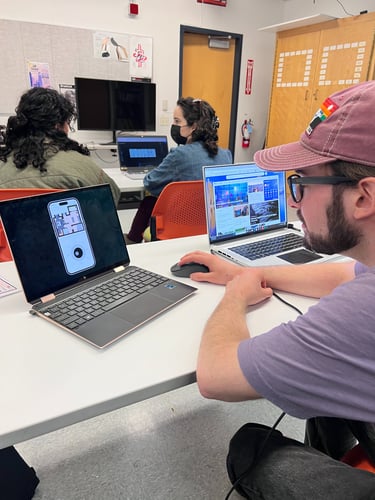
Testing Process

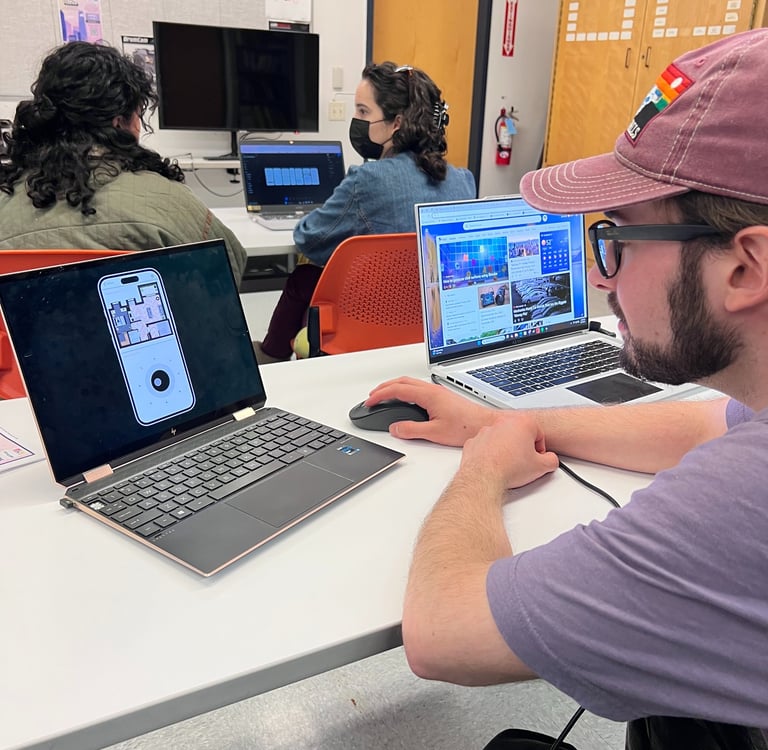
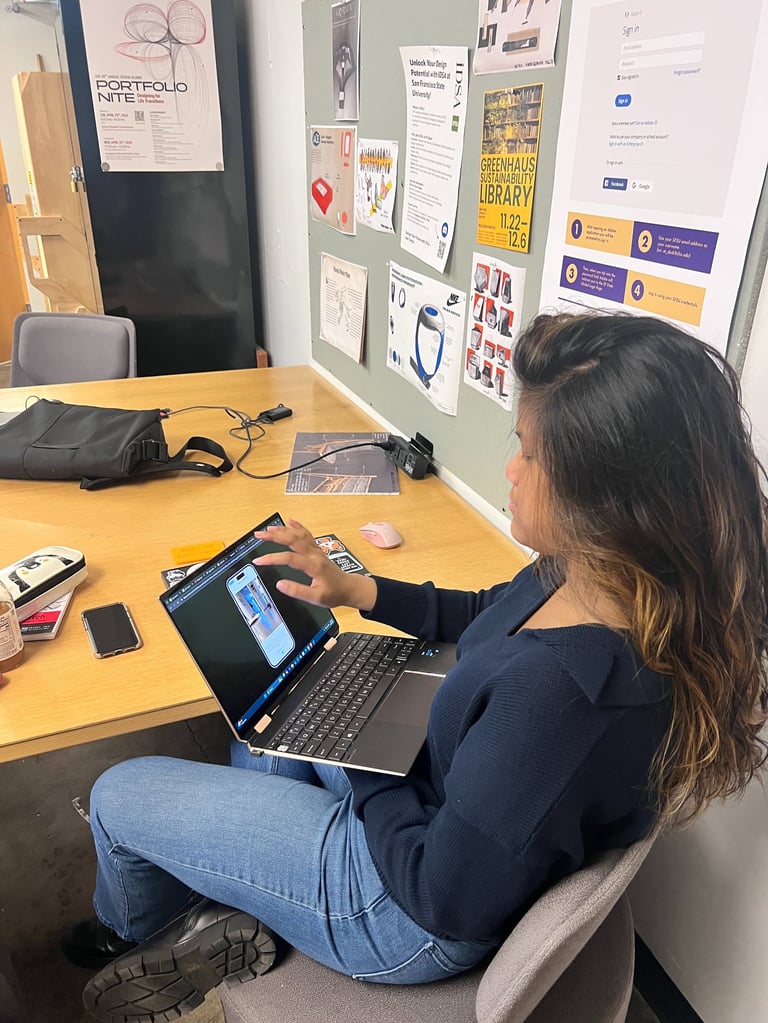
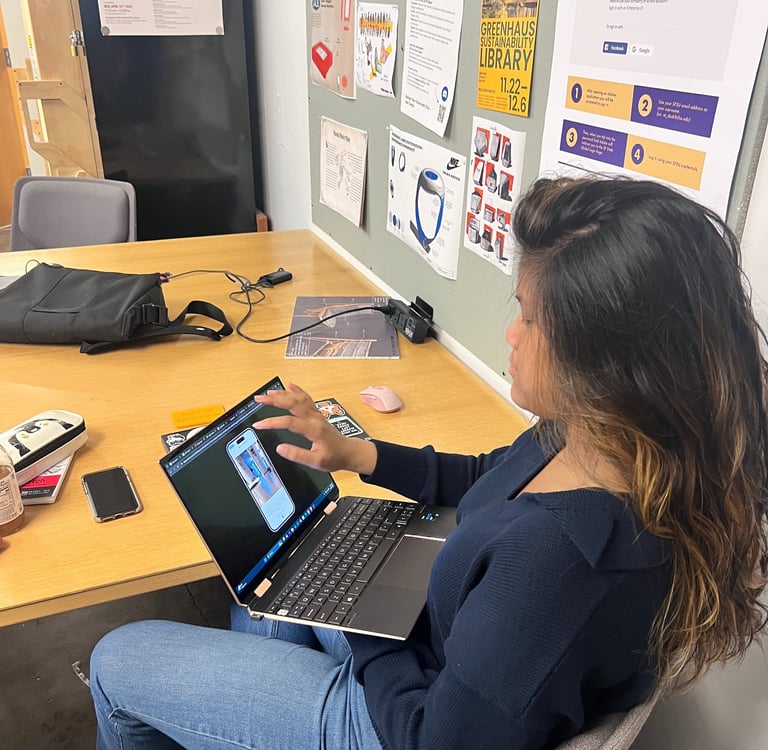
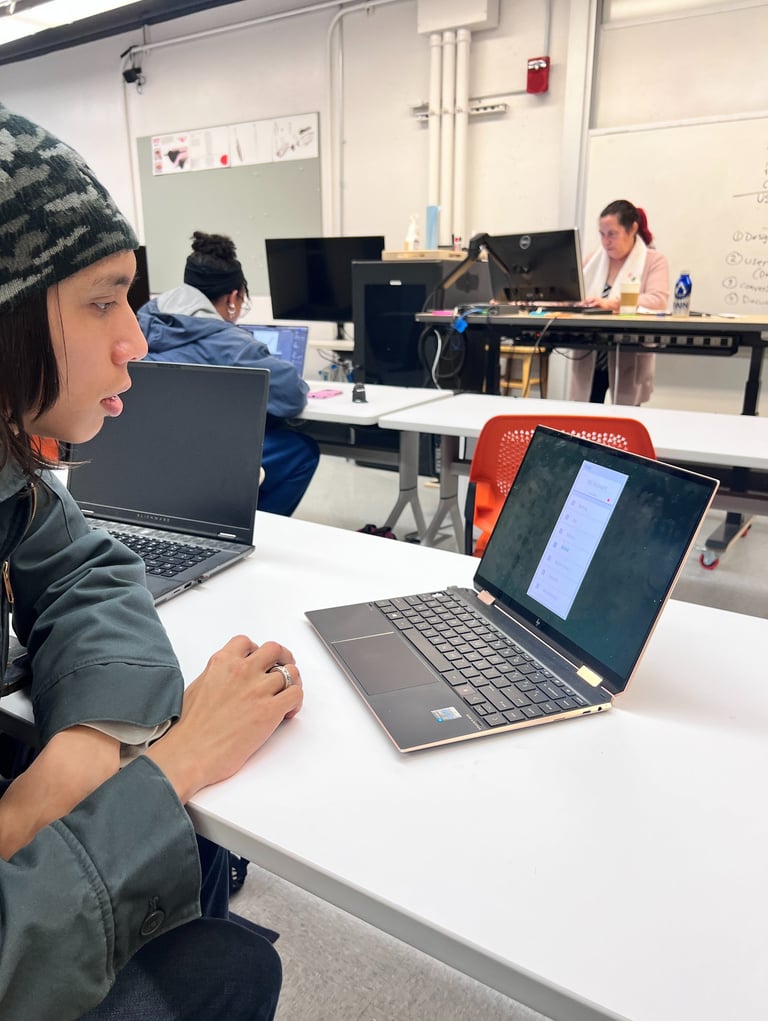
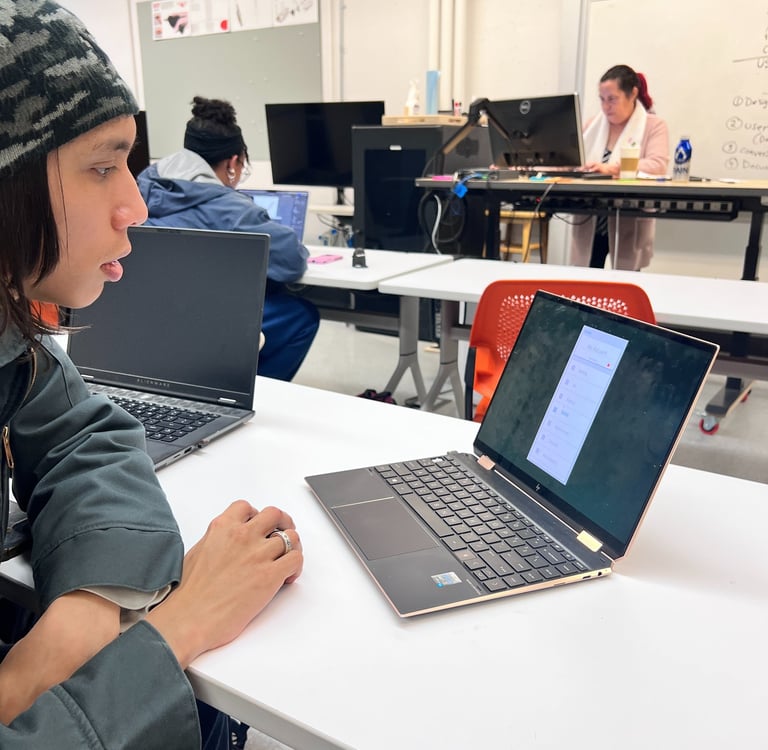
I tested the app with 8 participants, balancing sample size while ensuring diversity across students, middle-aged individuals, and target users in their late 20s–30s.

Usability

Engaged

Efficiency

Unity

"Labeling could be clearer"

"Poor video playback"

"Navigation not always simple"

"Unified but fragmented"

App development

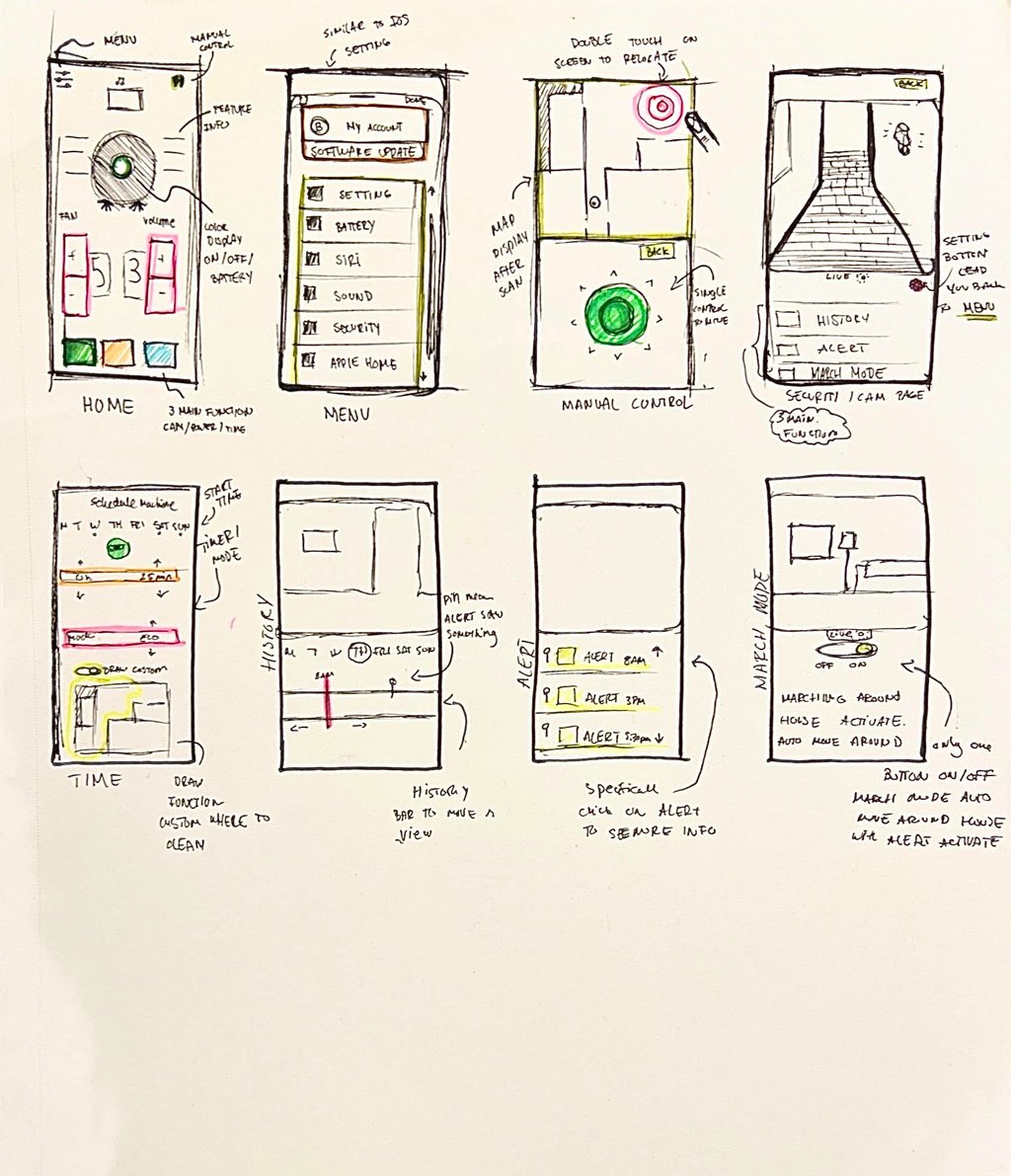
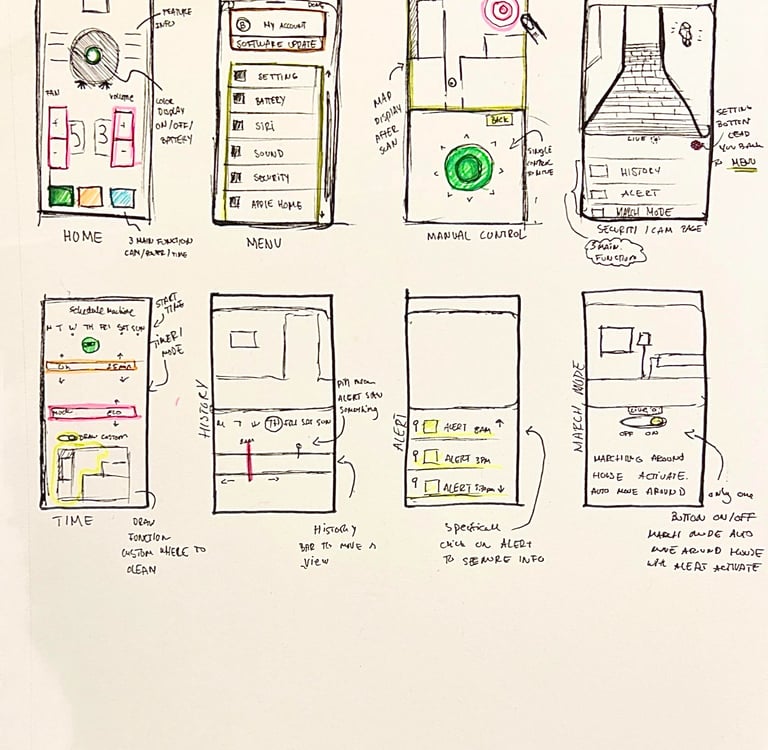
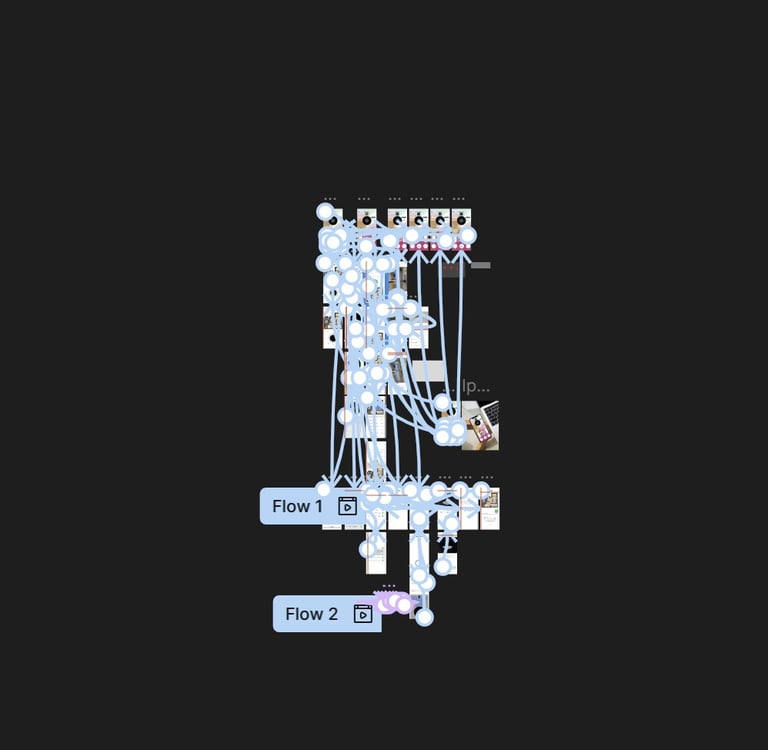
I started by wireframing the core screens to define information hierarchy and clarify user flows.

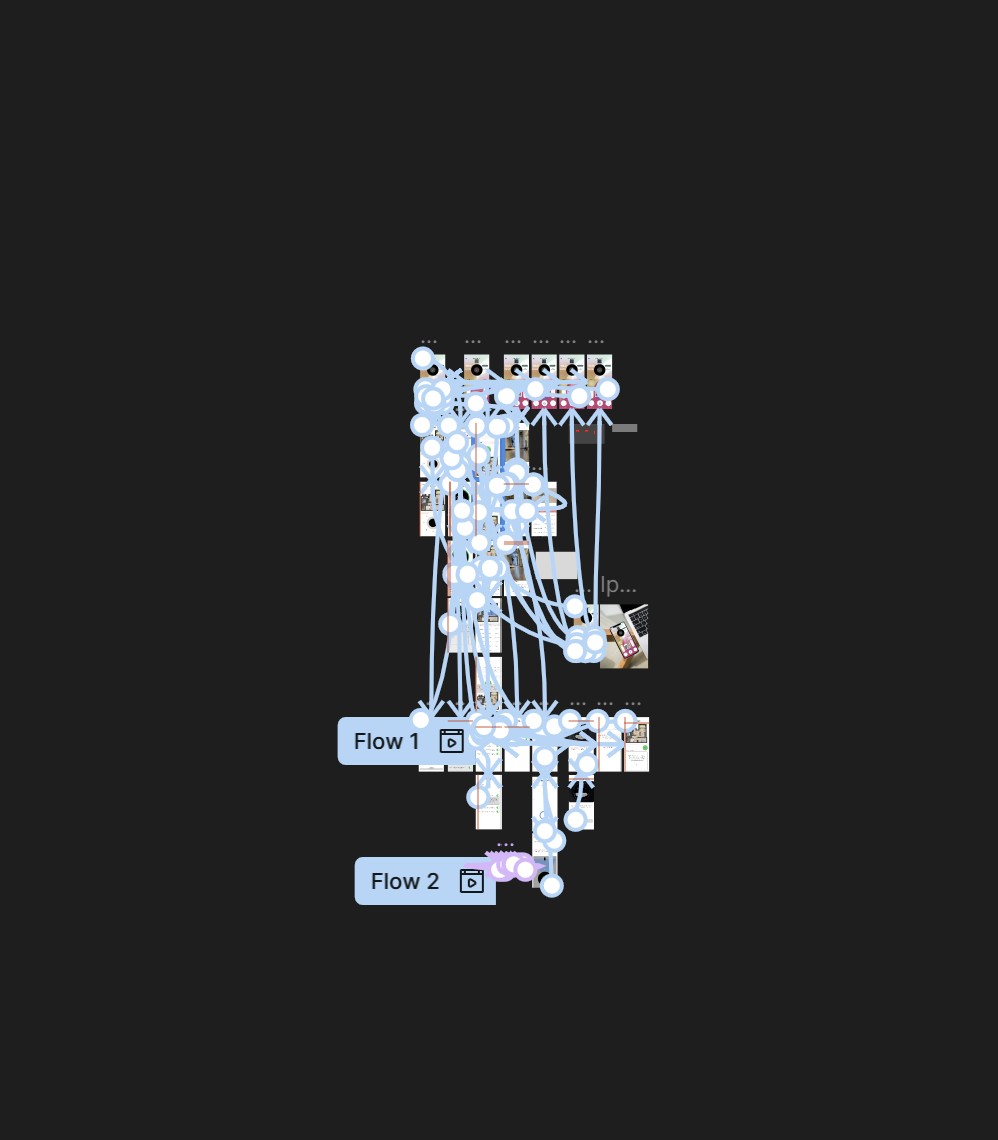
prototype phase from low fid to high-fid. Ready for proceed to the next development step.

This is the first fully interactive version (high-fid), prepared for user testing and iterative refinement for future models.

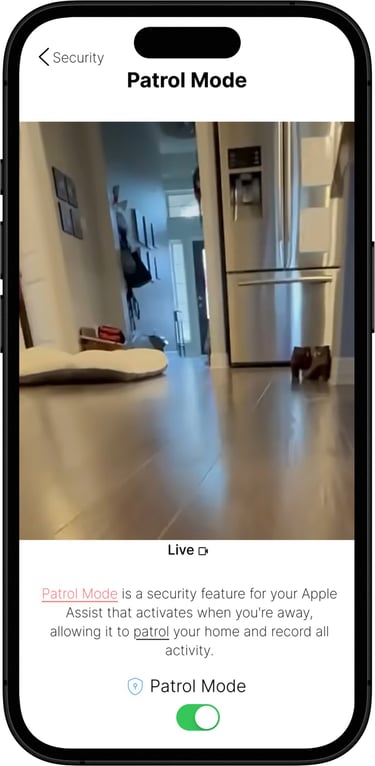
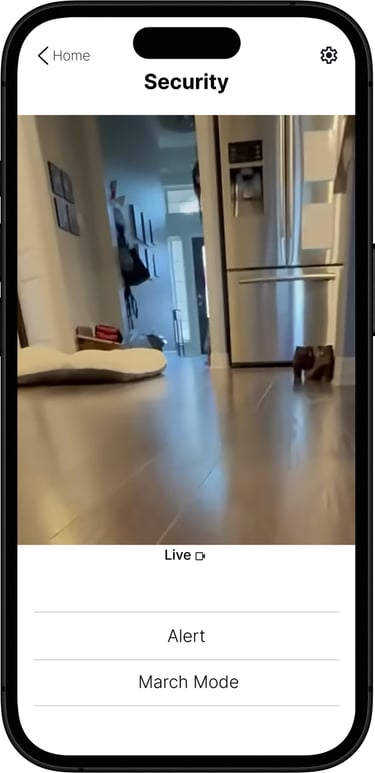
  • Clarified and renamed “March Mode” to Patrol Mode, with a short explanation that it allows the robot to move quietly while monitoring the home

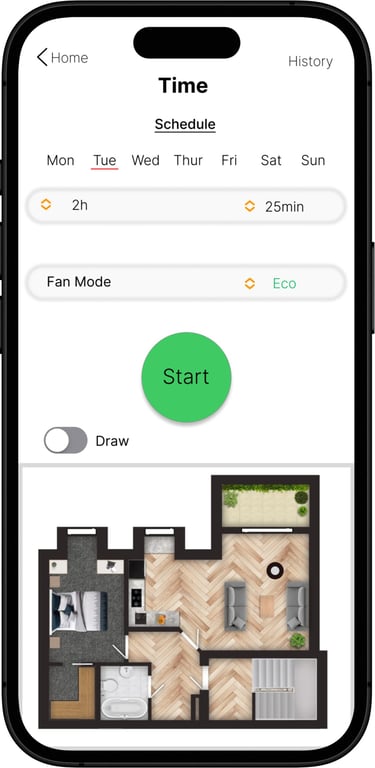
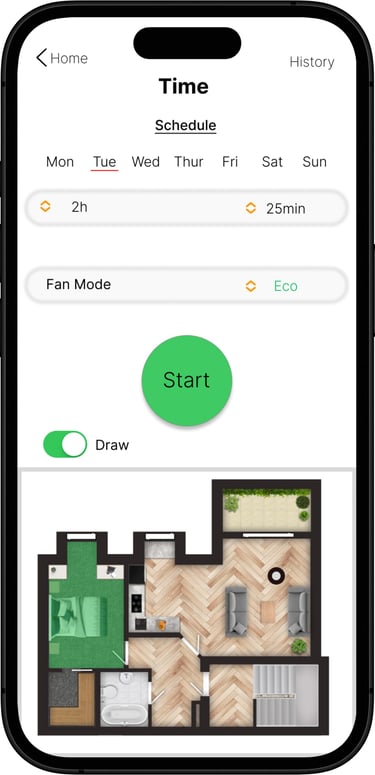
  • Added a Draw System that lets users mark specific areas on the floor plan for more flexible and intuitive cleaning

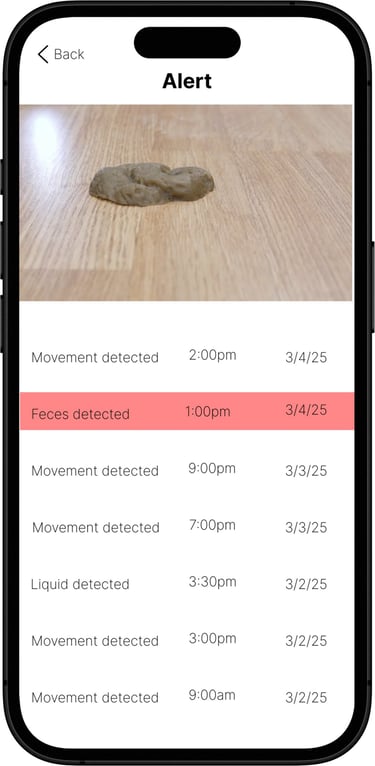
  • Simplified alerts into two clear categories: movement alerts for unusual activity and hazard alerts for spills or objects that could damage the robot

Iterations
  1. Users misunderstood what March Mode did

  2. Had trouble setting custom clean area

  3. Alerts felt confusing and happened too often privacy concern

Key findings:

Users testing iterated version and approve

Design Changes:

Trust and privacy basic

While developing the product and talking with users, privacy concerns around having a camera on a robot came up often. This pushed me to rethink and clarify my design to better respect user privacy while keeping the product practical and approachable.

The camera will be on 24h?
Camera is off by default and only activates when the user turns it on “Patrol Mode”


Does it indicate if the camera is on?
Clear in-app indicator shows when the camera is active


Can you turn off the camera?
The camera is off by default, and a physical shutter lets users completely block it.


How does the robot protect user privacy?
The robot processes sensitive detections on the device itself, so less personal data is sent to the cloud.


How do others in the home know when the robot is active?
The vacuum’s light will turn on so everyone knows it’s active. Guest and shared household modes make it clear to others in the home who is using it.

-Home

-Time

-Security

3 main screen:

By: Bryan Nguyen-Son

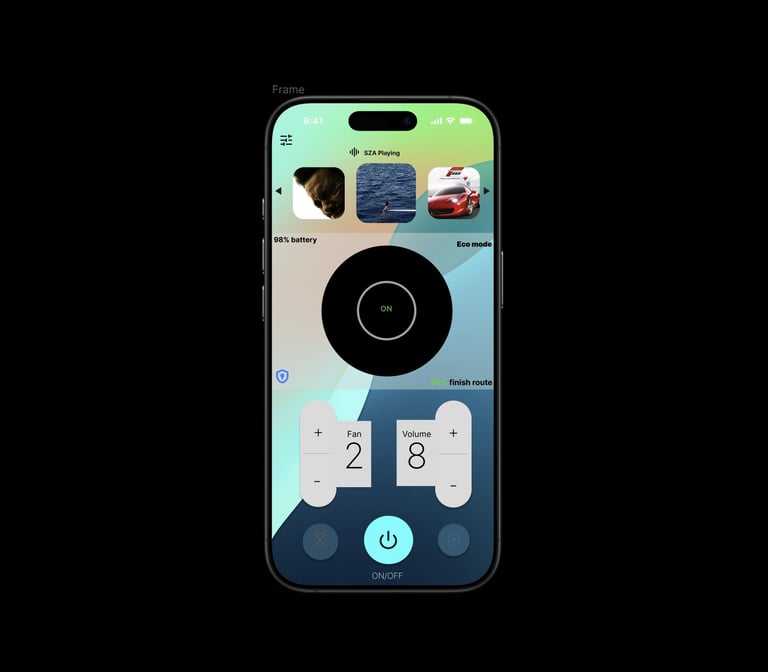
Home screen
Time screen

Security screen

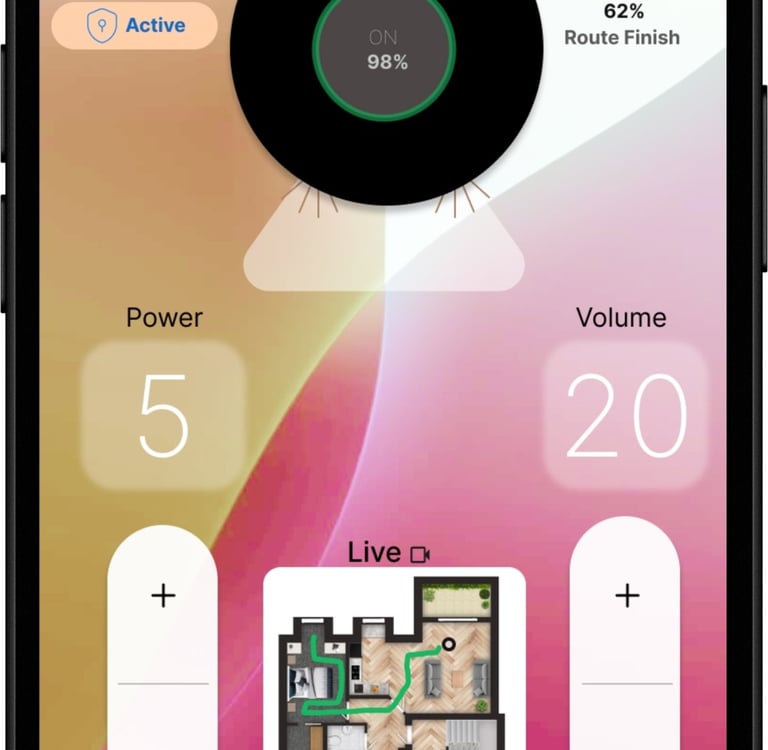
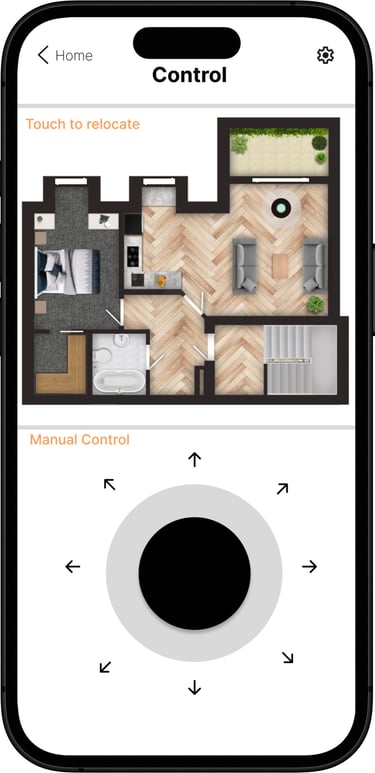
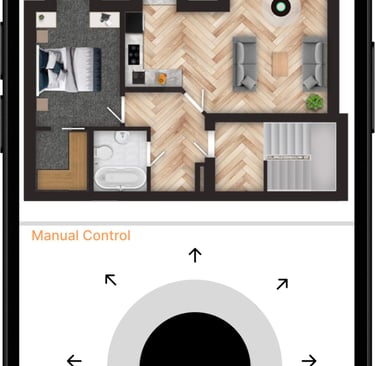
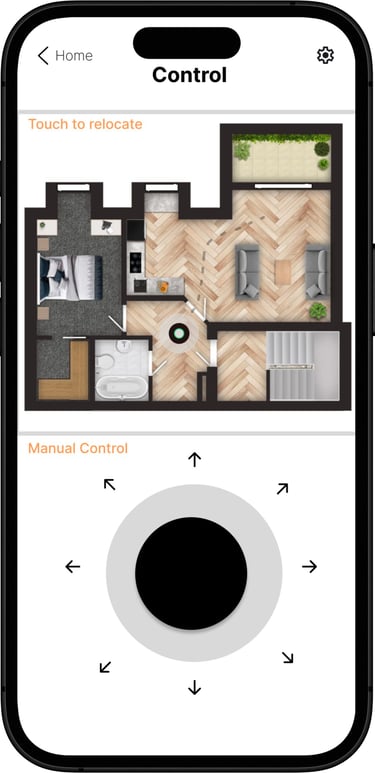
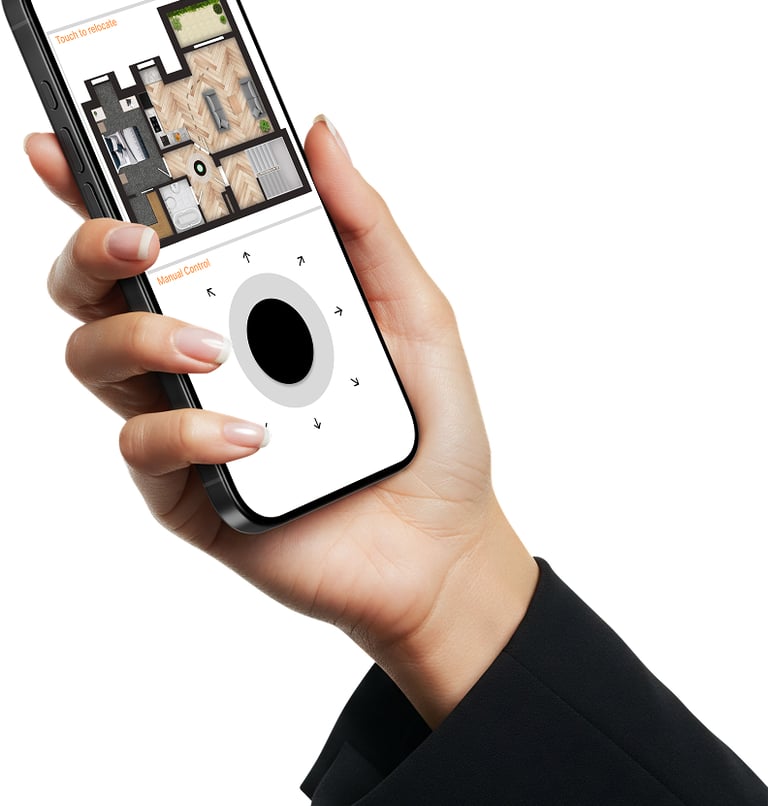
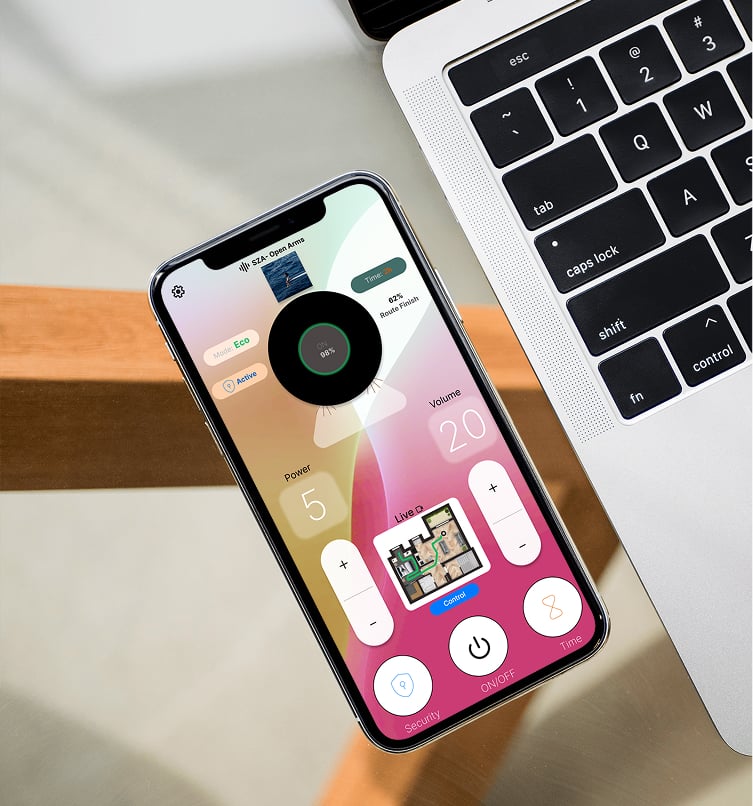
The main screen provides easy controls for fan power and volume and serves as the hub for all functions. It also connects to the control screen, where users can relocate the vacuum with a double-tap map view or manual knob.
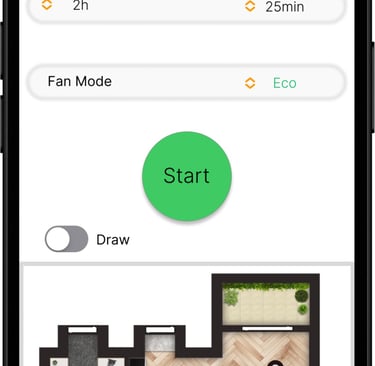
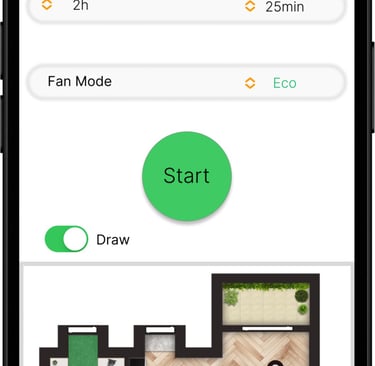
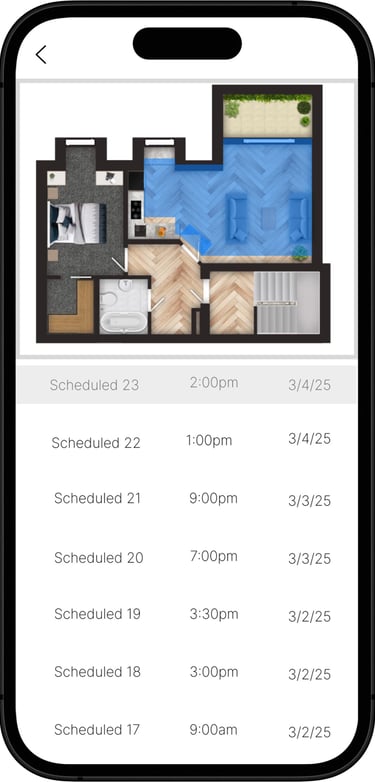
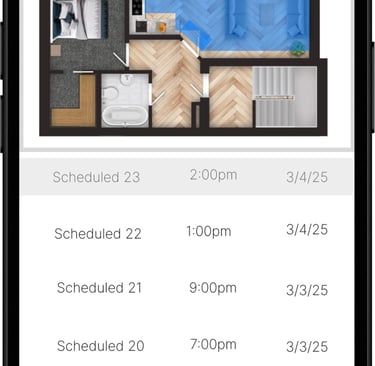
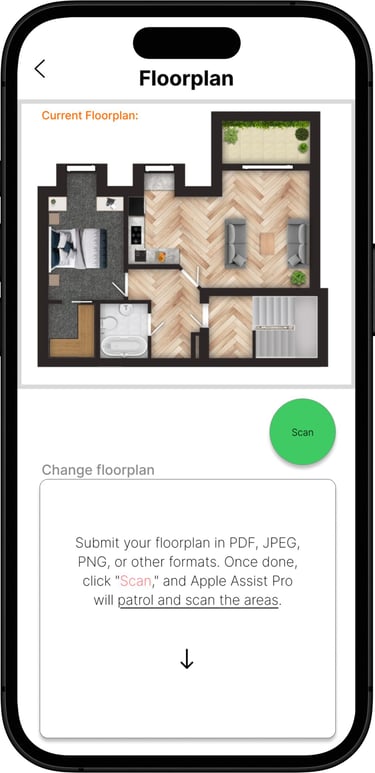
Time screen has a scheduling feature allows users to set specific times and customize cleaning areas by drawing directly on the floor plan. The app also displays the areas already cleaned, and users can scroll back to review past cleaning sessions.

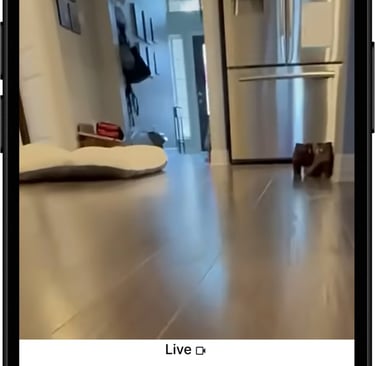
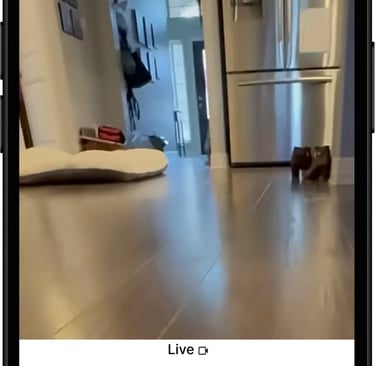
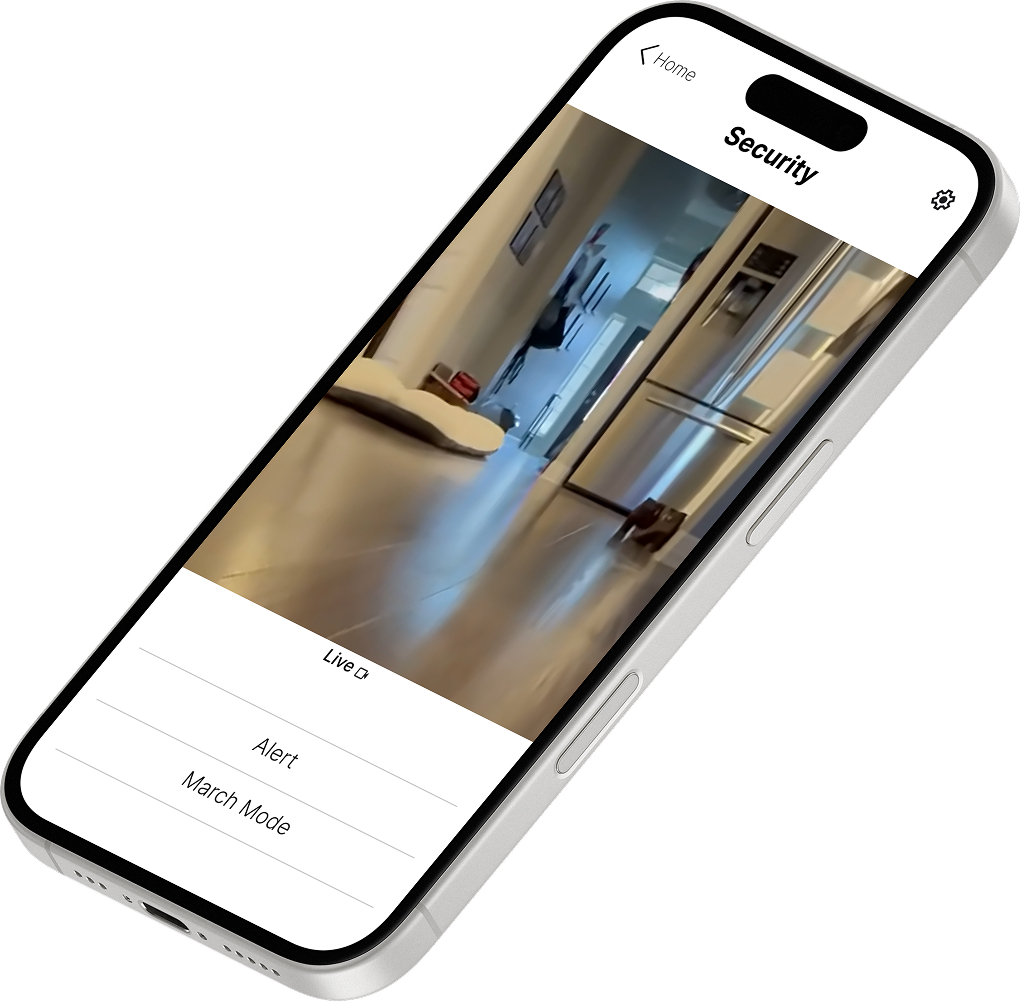
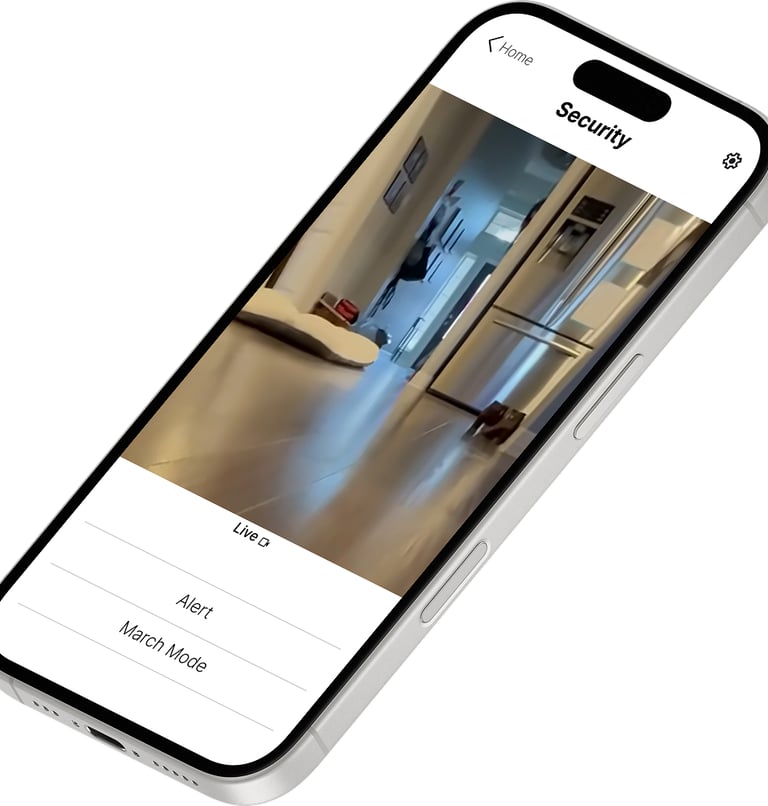
Patrol Mode allows the vacuum to patrol your home while you are away. It provides live video updates and sends alerts that help you stay aware of what matters most.

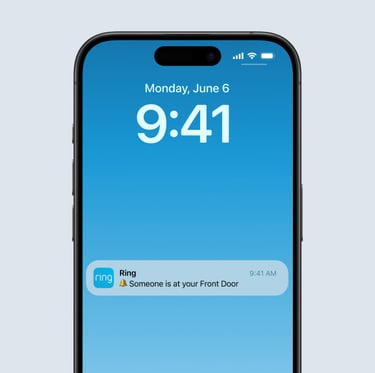
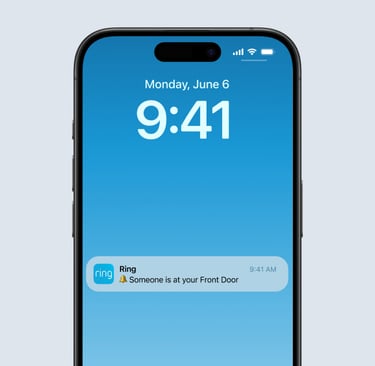
Notifications include activity from loved ones such as children or pets, everyday household issues like pet accidents or small objects on the floor, and security concerns such as signs of intrusion.

The built-in camera scans and detects at 60 fps, with system checks every 100ms.

This level of performance allows the vacuum to create an accurate floor plan of your home and provides the intelligence needed to detect objects on the floor in real time and live alerts.

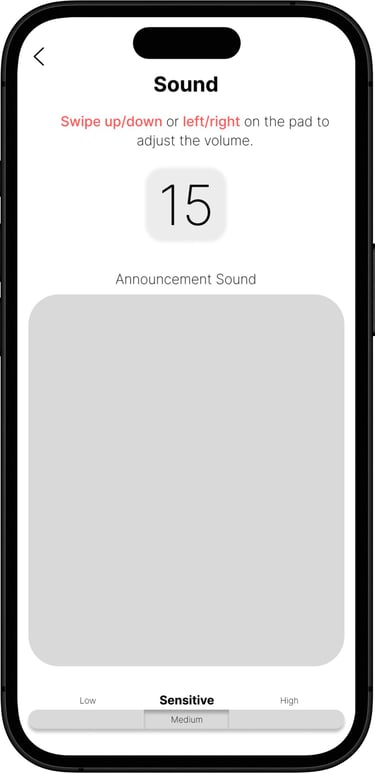
Sound control by moving your finger in any direction: up, down, left, right, or diagonally. This will adjust the volume, with clear numbers displaying each level. This creates a seamless, human-like way to interact with sound.

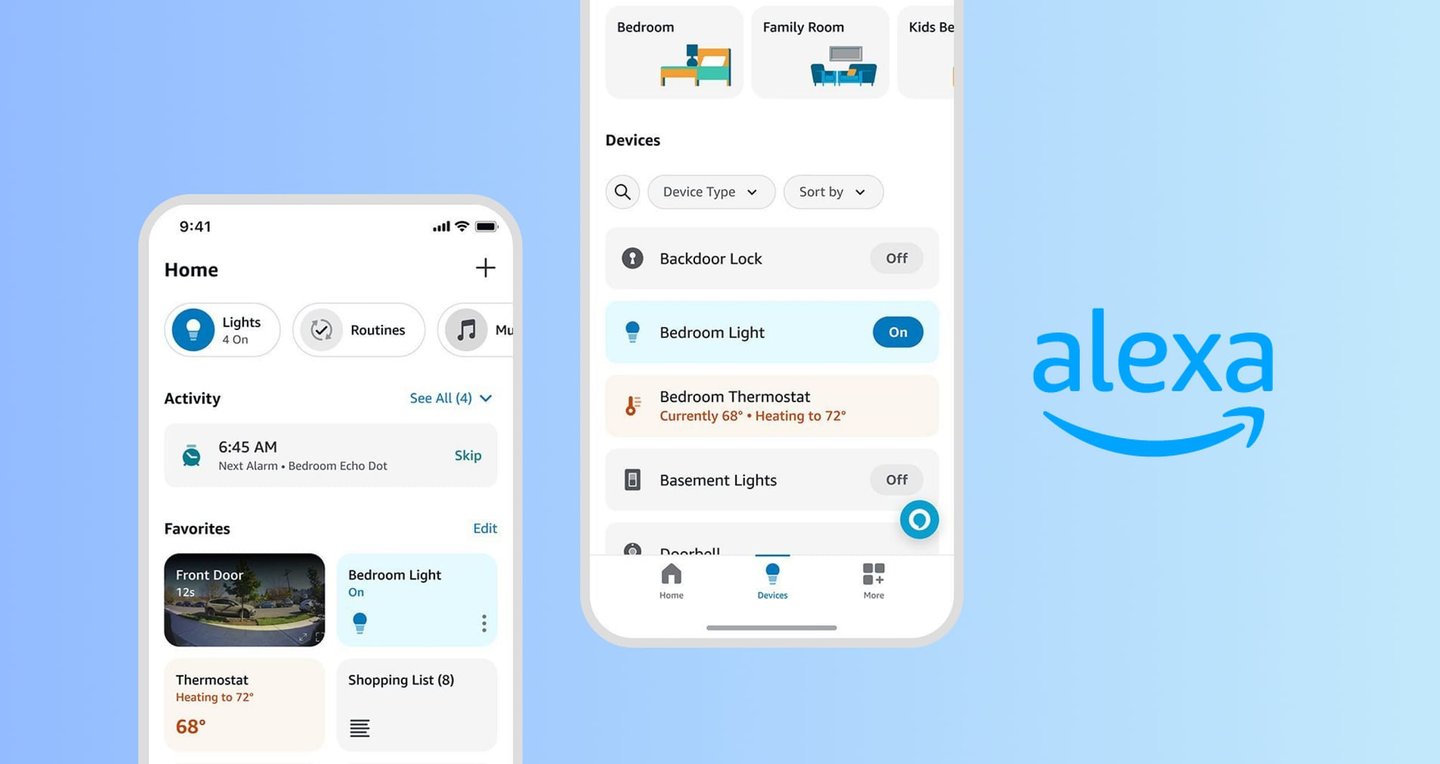
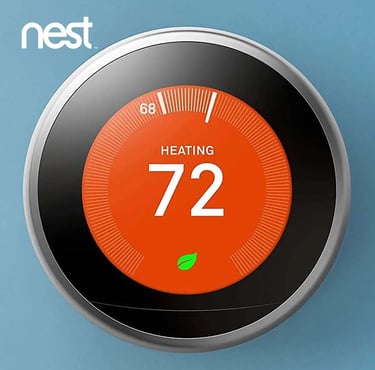
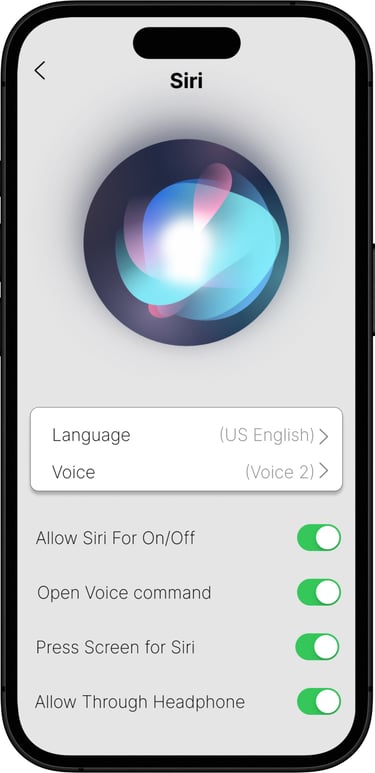
With built-in AI assistance, you can ask questions and give commands as naturally as speaking to Siri. From adjusting the temperature to controlling the lights, it brings smart technology closer to feeling like a true companion at home.

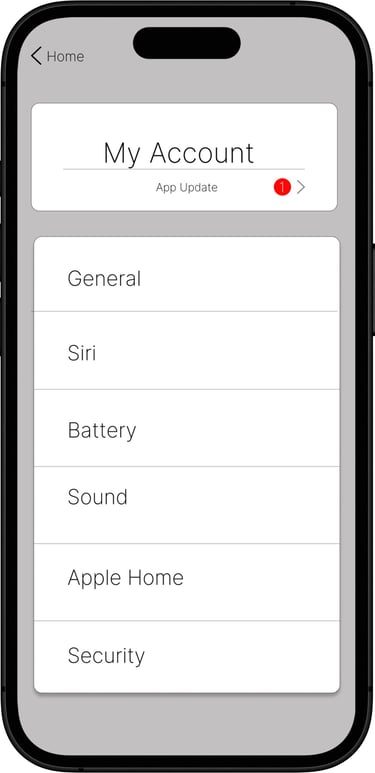
Settings - Key features